
Canbi Pharma Tech Limited

APIs

Canbi Pharma Technology


Canbi Pharma Technology is a subsidiary of Chongqing Kalan Pharmaceutical Co., Ltd.(Also known as CONIER CHEM AND PHARMA LIMITED). It was founded in the first economic and technological development zone in Southwest China. It is a young company focusing on the fields of organic chemistry and biological engineering. The company specializes in the development, production, and sales of chemicals, new materials, pharmaceutical intermediates, and APIs.


Why Choose Us

Our History

It is a young company focusing on the fields of organic chemistry and biological engineering. The company specializes in the development, production, and sales of chemicals, new materials, pharmaceutical intermediates, and APIs.


Our service

We divide inquiries into two categories: service-focused and project-focused. We view some inquiries as an opportunity to provide long-term supply chain services to customers, while we manage other inquiries with rigorous project management.

Our Information

In the past 15 years, we have provided products to customers in over 30 countries and won the trust of many famous international companies.


Our Group

Our group mainly includes three companies. Shanghai Canbi Pharmaceutical Technology Co., Ltd. is located in the economic center of China, Shanghai.


First 1234567 Last 1/21

What Is 50-14-6 Vitamin D2


Vitamin D2 is also referred to as ergocalciferol. It’s a version of vitamin D that comes from plants and fungi. It’s formed when a specific compound in plants (ergosterol) is exposed to UV radiation from the sun. Most foods that are fortified with vitamin D, like dairy products and cereals contain vitamin D2.


Advantages of 50-14-6 Vitamin D2


Strengthens Bones
Vitamin D is known for its bone-building and strengthening powers. The nutrient helps the body absorb calcium for improved bone and muscle health. Calcium wouldn't be able to do its job without vitamin D. The two nutrients together can also help prevent osteoporosis. This condition occurs when a person has weak, brittle bones.


Helps Strengthen Muscles
Along with its bone-building abilities, vitamin D is also influential in strengthening muscles.6 The vitamin helps muscle fibers develop and grow, which can help with bone support to increase balance and reduce fall risk.


Promotes Oral Health
Little research exists on vitamin D's role in oral health. However, one review concluded that because vitamin D helps our body absorb calcium, it may lower the risk of tooth decay, cavities, and gum disease.


Can Reduce Multiple Sclerosis Risk
Getting enough vitamin D could reduce the likelihood of developing multiple sclerosis (MS). MS is an autoimmune disorder resulting from inflammation-induced nerve damage within the central nervous system (CNS).


Chemical Properties


It is white needle crystal or crystalline powder and is odorless and tasteless. Its melting point is 115-118 ℃ (decomposition), Its specific rotation is [α]20D+102.5°(ethanol). The ethanol solution of this product has maximum absorption at 265nm wavelength. It is soluble in ethanol (1: 2), diethyl ether (1: 2), acetone (1:10) and chloroform (1: 0.7) but insoluble in water. Moreover, it has a lower activity in case of light or oxygen.


Is Vitamin D2 the Same as Vitamin D3?
 

Vitamin D2 and D3 are slightly different. Both forms raise your blood vitamin D levels, and both can treat and prevent rickets from vitamin D deficiency. However, studies have found that vitamin D3 effectively raises blood vitamin D levels for a longer period than vitamin D2.

Additionally, vitamin D2 and D3 are derived from different sources. Vitamin D2 is plant-based. It is made by exposing ergosterol found in yeast to ultraviolet (UV) light. Vitamin D2 can also be found in some types of mushrooms. Vitamin D3 is sourced from sheep lanolin. It is made by exposing the lanolin to UV radiation to convert the cholesterol in lanolin to vitamin D3. Vitamin D supplements can contain either vitamin D2 or D3. However, most over-the-counter (OTC) preparations contain vitamin D3.

50-14-6 Vitamin D2


Recommended Dietary Allowance of Vitamin D
 

The daily vitamin D recommendation for adults is as follows:

Adults aged 19 to 70

15 micrograms (mcg) or 600 IU

Pregnant and lactating people

15mcg or 600 IU

Adults aged 70+

20mcg or 800 IU


What are the Primary Sources of Vitamin D2?
 

The main sources of vitamin D2, also known as ergocalciferol, involve several stages of synthesis in the body. Primarily, the skin synthesizes a form of Vitamin D3 called cholecalciferol when exposed to UV radiation. Once in the liver, this substance is converted into calcidiol. Then, this precursor moves to the kidneys where it is further transformed into calcitriol, the active form of the vitamin.


Apart from bodily synthesis, Vitamin D is also found in limited amounts in foods like fatty fish (salmon, tuna), fortified milk, and cereal. However, people with darker complexions or living in northern latitudes where sun exposure is limited may suffer from Vitamin D deficiency.


In such cases, a doctor might prescribe a Vitamin D supplement. Vitamin D2 Supplements: Available in various forms, such as capsules, tablets, and liquid drops. These supplements are especially useful for individuals with limited sun exposure or dietary restrictions.


What Happens if you do Not Have Enough vitamin D
 

If you do not have enough vitamin D, your body doesn’t absorb calcium in food. If the body does not absorb calcium from food, bones become a source of calcium. The body is always seeking the level it needs and takes calcium where it can get it. The result: loss of calcium from bone.


The average healthy person loses about 500 milligrams of calcium every day from bones and replaces it with the same amount of new calcium. When someone is vitamin D-deficient, calcium is not replaced adequately, which leads to weak and fragile bones.


How Do You Know If You’re Vitamin D Deficient?


Measuring the form of vitamin D made in the liver, called 25-hydroxyvitamin D, is the best way to find out whether you are deficient. Ask your doctor if you should do the blood test to check your 25-hydroxyvitamin D level.


Bone density tests measure how much calcium is in bones. Low bone density signals a condition called osteoporosis. Severe vitamin D deficiency can be a sign of osteomalacia (Greek lesson: soft bones). In children, severe vitamin D deficiency appears as rickets.


How Vitamin D Boosts the Immune System
50-14-6
50-14-6 Vitamin D2
50-14-6 Vitamin D2
50-14-6

Vitamin D is involved in immunity through several mechanisms and plays a role in regulating both the innate and adaptive immune response in the body. Vitamin D impacts immune health by interacting with vitamin D receptors on innate immune cells throughout the body. The innate immune is the body’s non- specific, first line of defense against foreign pathogens.


Vitamin D builds immunity and helps fight off infection by regulating the activity of immune cells which elicit antiviral responses. Vitamin D binds to receptors on immune cells such as neutrophiles, macrophages and natural killer cells. Vitamin D stimulates these cells to produce peptides with antiviral properties that defend the body against foreign pathogens.


Cathelicidins and defensins are peptides that have anti-microbial and immune modulating capabilities and act as anti-viral agents as part of the innate immune system. Multiple studies have shown that vitamin D metabolites play a role in enhancing production of the human form of cathelicidins and defensins, thus enhancing innate immune response. Studies have shown that vitamin D plays a role in both the activation of these cells for helping the body fight off infections, and also in suppressing immune response in cases of over inflammation.


How Long Does It Take For Vitamin D2 To Show Effects?


The time it takes for Vitamin D supplements to work and for you to notice changes in your Vitamin D levels can vary depending on several factors, including your current Vitamin D status, the dosage of the supplement, and individual differences in metabolism and absorption. In general, some individuals may start to notice improvements in their Vitamin D levels within a few weeks of starting supplementation, while for others, it may take a bit longer. It’s essential to be patient and consistent with your supplement regimen to allow your body to absorb and utilize Vitamin D effectively.


Are There Any Drug Interactions With Vitamin D2?


Vitamin D2 (ergocalciferol) can interact with certain medications, potentially affecting their efficacy or leading to adverse effects. For instance, anticonvulsants like phenytoin and phenobarbital may reduce the effectiveness of Vitamin D2 by increasing its metabolism in the liver. Similarly, glucocorticoids, such as prednisone, can impair calcium absorption, which may negate the beneficial effects of Vitamin D2 on bone health. Patients taking these medications should consult their healthcare provider for appropriate monitoring of Vitamin D levels and possible supplementation adjustments.


Additionally, Vitamin D2 may interact with medications that affect calcium levels in the body. For example, thiazide diuretics can increase calcium reabsorption, which, when combined with high doses of Vitamin D2, could lead to hypercalcemia (elevated calcium levels). This condition can cause symptoms like nausea, vomiting, and kidney problems. It is important for individuals on such medications to discuss their Vitamin D2 intake with a healthcare professional to prevent complications and ensure optimal treatment outcomes.


What is Taurine
 

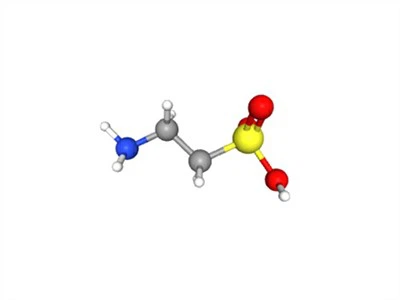
Taurine is an amino acid that helps with bodily functions, including those of the digestive, cardiovascular, skeletal, muscular, and nervous systems. It’s considered a semi-essential (or conditionally essential) amino acid. Your body makes taurine naturally, but other sources of taurine include foods with protein, such as meat and fish, and taurine supplements.

107-35-7 Taurine


Advantages of Taurine
 

Supports Heart Health: Taurine plays a crucial role in maintaining a healthy heart. It helps regulate blood pressure, improves cardiac muscle function, and reduces the risk of cardiovascular diseases. Studies have shown that taurine supplementation can enhance heart health by reducing inflammation and oxidative stress.


Promotes Brain Function: Taurine is essential for brain development and function. It acts as a neurotransmitter and plays a role in regulating neuronal excitability. Research suggests that taurine may enhance cognitive function, improve memory, and protect against neurodegenerative disorders.


Enhances Exercise Performance: Taurine has been studied for its potential benefits in improving exercise performance. It helps reduce muscle damage and oxidative stress during intense physical activity. Taurine supplementation has been shown to increase endurance, reduce fatigue, and improve overall exercise capacity.


Supports Eye Health: Taurine is found in high concentrations in the retina of the eye. It plays a crucial role in maintaining optimal vision and protecting against retinal degeneration. Studies have suggested that taurine supplementation may help prevent age-related macular degeneration and other eye disorders.


Regulates Metabolism: Taurine plays a role in regulating metabolism and energy production. It helps enhance insulin sensitivity, which is important for maintaining healthy blood sugar levels. Taurine has also been linked to improved lipid metabolism and weight management.


How Does Taurine Work?
 

Most of taurine's benefits are thought to derive from its role as a cell-protective agent: it regulates cell volume, calcium homeostasis, and stabilizes cell membranes, and also exerts antioxidant effects. The primary mechanism by which taurine acts as an antioxidant is unclear. Taurine may have the ability to directly scavenge free radicals, but it’s more likely that taurine works by regulating antioxidant enzymes and inhibiting the generation of mitochondrial reactive oxygen species.


Taurine may provide cardioprotective effects by decreasing oxidative stress and a few other mechanisms. It can modify blood lipids by binding to bile acids and facilitating the breakdown and excretion of cholesterol. Additionally, it reduces blood pressure by enhancing vasodilation (i.e., by relaxing of blood vessels), leading to an increase in blood flow. Taurine may also reduce blood pressure by reducing the production of angiotensin II, a potent vasoconstrictor.


Muscle contraction is triggered by the release of calcium from the sarcoplasmic reticulum. Taurine may improve physical performance by increasing the calcium-storing ability of the sarcoplasmic reticulum, as well as increasing the sensitivity of force-generating proteins (i.e., actin and myosin) to calcium, thus increasing muscle force.


With special reference to endurance exercise, taurine may aid performance by increasing the use of fat for fuel and reducing the contribution from glycogen, as well as improving mitochondrial function.


Recommended Daily Intake (RDI) of Taurine


The recommended daily intake (RDI) of Taurine can vary depending on factors such as age, sex, and overall health. In general, the RDI for Taurine has not been established, as the body is able to synthesize Taurine on its own, and most people are able to obtain sufficient amounts through their diet.


However, some studies suggest that the typical daily intake of Taurine from a normal diet ranges from around 40 to 400 mg per day, depending on the individual’s dietary habits. Higher amounts may be necessary for individuals with certain medical conditions, such as heart disease or liver disease.


It’s also worth noting that Taurine is often included in energy drinks and supplements, with levels varying widely depending on the product. It’s important to follow the recommended dosage on the product label, as excessive intake of Taurine can have negative health effects.


Synthesis of Taurine


The invention relates to a method for synthesizing taurine, comprising the following steps: (1) according to the amount ratio of materials of 1:1 to 1:1.2, epoxy ethane and sodium bisulfite are subjected to addition reaction under 0.05 to 0.1MPa, with pH value of 6.5 to 7.5 and at a temperature between 75 and 85 DEG C to form hydroxyethyl sodium sulfonate; (2) the hydroxyethyl sodium sulfonate and liquid ammonia are subjected to ammonolysis reaction under 14 to 21MPa and at a temperature between 160 and 280 DEG C to generate sodium taurate, and the mass concentration of ammonia in the reaction liquid is 20 to 30 percent; and (3) neutralization: namely, the sodium taurate is neutralized by sulphuric acid to generate the taurine. The method for synthesizing the taurine has the advantages of short time, high yield and lower cost, and is easy for industrialized production.


Best Natural Sources of Taurine
107-35-7 Taurine
107-35-7 Taurine
107-35-7 Taurine
107-35-7 Taurine

Scallops: Shellfish have some of the highest taurine content, especially scallops. Whether you cook them or eat them raw, 100 grams of scallops can have up to 827 milligrams of taurine. Other good options include clams at 520 milligrams and mussels at up to 655 milligrams for the same portion.


Tuna: Whether you get it fresh or from a can, tuna is an excellent source of taurine. Though when choosing your fish, darker meat is richer in amino acids than white meat. Some varieties, like yellowfin tuna, contain up to 964 milligrams per 100 grams, while other marine fish have high levels as well. Try cod for its 120 milligrams or salmon with 94 milligrams of taurine per serving.


Tilapia: Freshwater fish are high in taurine as well. Tilapia’s dark muscle has about 972 milligrams for a 150-gram filet, while the white meat has less than 120 milligrams. There’s also the dark meat from carp with 868 milligrams and catfish with almost 700 milligrams for the same serving.


Octopus: Octopus contains about 335 milligrams per 3-ounce portion. Squid has potent levels as well, with 219 milligrams for the same serving.


Turkey: With up to 306 milligrams per 100 grams, turkey has the highest taurine content of any animal meat. But like fish, the meat you choose matters. Only dark turkey meat has these high amounts, while light meat has just 30 milligrams.


Chicken: You can add chicken to almost any recipe — and with it, about 170 milligrams of taurine to your meal. However, as with turkey, go for the dark meat for the taurine benefits. Light meat like chicken breast has only 18 milligrams of taurine per 100 grams compared to cuts like chicken thighs.


Seaweed: Because most taurine sources are from animals, seaweed is an excellent option for people on a plant-based diet. Nori, the papery-like seaweed product used in making sushi, has up to 1,300 milligrams of taurine per 100 grams. While we don’t eat that much in a single sitting, sprinkling a sheet of nori into a dish or eating it with sushi can add about 40 milligrams of taurine to your meal.


Beef: Beef is rich in nutrients and amino acids, including taurine. While a high intake of red meats is linked to greater rates of chronic diseases, most people can have two to three servings a week without much risk. With these servings, you’ll add about 40 milligrams of taurine to your meal.


Other Uses of Taurine
 

Energy drinks

Taurine is thought to have antioxidant properties, as well as improve overall exercise capacity and athletic performance, which is most likely the driving reason for its inclusion in many energic drinks. Interestingly, taurine is also thought to activate the inhibitory gamma-aminobutyric acid (GABA) receptors in the brain, which would theoretically contradict the excitatory effect of the caffeine that is also included in energy drinks. Some studies suggest that the combined effect actually improves mental performance, although conclusive evidence on this topic is lacking.

Skin and hair hydration

Taurine has also been included in some cosmetic products since the beginning of the 21st century. This is due to the possible antifibrotic properties of the substance, which may help to improve the hydration of skin and hair follicles. Transforming growth factor (TGF)–beta 1 can have damaging effects on hair follicles and is affected by the action of taurine. TGF-B1 is known to inhibit hair growth in vitro and play a major role in the fibrotic processes. Taurine is taken up by the connective tissue, root sheath, and hair bulb, leading to the promotion of hair survival and growth.

Infant formula

Taurine is naturally found in human breast milk and has been included in many infant formula products as a preventative safety measure, although there is little known about the role of taurine in breast milk.

Contact lens solution

Taurine is sometimes used as an additive in the solution for contact lens, due to its action to enhance the buffer capacity of the solution. This is beneficial because it protects against the alkaline nature of the solution and assists in the preservation of the lens. Additionally, the specific properties of taurine may be able to help in the protection of the corneal cells. This is particularly important, as corneal cells are prone to damage from hypertonic stress. Taurine helps to preserve the cells through osmoregulation, stabilization of membranes and proteins, and its antioxidant effects.


What Other Drugs Will Affect Taurine


The interaction of taurine with other drugs is an area that warrants careful consideration. While taurine is generally well-tolerated, it can interact with certain medications, potentially altering their effects. For instance, taurine may enhance the effects of medications that influence GABA activity, such as benzodiazepines and certain anticonvulsants. This could potentially amplify the sedative effects of these drugs.


On the other hand, taurine may interact with diuretics, which are commonly used to treat hypertension and edema. Since diuretics affect electrolyte balance and fluid levels, combining them with taurine could potentially lead to electrolyte imbalances. It is also worth noting that taurine may interact with lithium, a common treatment for bipolar disorder, potentially altering its effectiveness and side-effect profile.


Given the potential for these interactions, it is crucial to consult a healthcare provider before starting taurine supplementation, especially if you are taking other medications. Professional guidance can help tailor the dosage and timing of taurine to minimize interactions and optimize its benefits.


Taurine Side Effects
 

Taurine is considered to be very safe for most people when taken at appropriate dosages. However, like all supplements, it can cause side effects in some individuals. The most commonly reported side effects include gastrointestinal discomfort, such as nausea, diarrhea, and stomach pain. These side effects are usually mild and tend to subside as the body adjusts to the supplement.


There are some contraindications to be aware of. For instance, individuals with kidney problems should exercise caution, as taurine is processed through the kidneys. Pregnant and breastfeeding women should also consult a healthcare provider before starting taurine supplementation. Additionally, those with bipolar disorder should be cautious, as taurine may have mood-altering effects.


While serious side effects are rare, it is always advisable to start with a lower dose to gauge tolerance and consult a healthcare professional, especially if you have underlying health conditions or are taking other medications.


FAQ


Q: What should not be taken with taurine?

A: Also, taurine interacts with some medications, such as antidepressants, anti-seizure drugs, statins, and blood thinners. So if you take any of these, talk to your doctor before taking any taurine supplements.

Q: Is it safe to take taurine every day?

A: A large body of research suggests consuming taurine is safe, even when taken regularly. “Taurine has little to no known side effects associated with its suggested use,” notes Frick, “although, as with any dietary supplement, common complaints usually include digestive upset and headache.”

Q: What does taurine do to the body?

A: Taurine occurs naturally in foods with protein, such as meat or fish. The human body uses taurine for actions in cells. One example is that taurine is used for energy production. Taurine also helps the body process bile acid and balance fluids, salts and minerals, among other actions.

Q: What blocks taurine absorption?

A: It is felt that the grain free foods may play a major part in taurine deficiency. Peas, beans, pea starch, legumes, potatoes and sweet potatoes have replaced the grains as the carbohydrate in most dog foods. These block the function of taurine.

Q: When to take taurine, morning or night?

A: And yes, as befits being a common ingredient in sports and energy drinks, taurine does stimulate muscles and improves performance in athletes. But NO, that's not its only function or benefit. Taking taurine at bedtime can also act as a sleep aid, providing relaxing sedative effects that help you fall asleep naturally.

Q: How long does it take for taurine to work?

A: For athletic performance, it is recommended to consume taurine 60–120 minutes before exercise for peak bioavailability. Additionally, it's worth noting that chronic ingestion of taurine is not required to obtain performance benefits.

Q: What should not be taken with vitamin D2?

A: Some of the medications that can have interactions with vitamin D2 include: Vitamin D supplements and fortified foods. Calcium supplements. Diuretics (water pills) such as hydrochlorothiazide, chlorothiazide (Diuril), metolazone (Zaroxolyn), and indapamide.

Q: Is it OK to take vitamin D2 everyday?

A: Taken in appropriate doses, vitamin D is generally considered safe. However, taking too much vitamin D in the form of supplements can be harmful. Children age 9 years and older, adults, and pregnant and breastfeeding women who take more than 4,000 IU a day of vitamin D might experience: Nausea and vomiting.

Q: Can I lay down after taking vitamin D2?

A: The recommended dose for babies is typically much lower than it is for healthy adults. It's ideal to take vitamin D2 after a meal for maximum absorption. Some studies suggest it's better not to take the supplement right before bed, because it may disturb sleep.

Q: What should you not mix with vitamin D?

A: Calcipotriene (Dovonex). It is possible that taking vitamin D supplements and using calcipotriene, a medication applied to the skin for psoriasis, could cause calcium levels to get dangerously high in the blood. Calcium channel blockers.

Q: How soon will I feel better after taking vitamin D2?

A: In general, some individuals may start to notice improvements in their Vitamin D levels within a few weeks of starting supplementation, while for others, it may take a bit longer. It's essential to be patient and consistent with your supplement regimen to allow your body to absorb and utilize Vitamin D effectively.

Q: Why does my doctor want me to take vitamin D2?

A: It's used to treat vitamin D deficiency (low vitamin D levels), including in various medical conditions, such as hypoparathyroidism (low parathyroid hormone) and rickets. Vitamin D2 (ergocalciferol) is taken by mouth, typically once a day (unlike vitamin D3, which can be prescribed once weekly at higher doses).

As one of the leading apis manufacturers and suppliers in China, we warmly welcome you to buy high-grade apis in stock here from our company. All our products are with high quality and competitive price.

Tribromobenzene, COMU, Ethyl 4 chloroacetoacetate
goTop

(0/10)

clearall