

Canbi Pharma Tech Limited

Excipient

What Is Excipient


Excipients are often referred to as "inactive ingredients" because, in drugs, they comprise of everything except the active pharmaceutical ingredients (APIs). Excipient functions range from helping to guarantee the stability and bioavailability of the API to the drug product’s manufacturability to its texture and taste. Excipients are a major component of almost all drugs, as well as foods, cosmetics and dietary supplements.


Advantages of Excipient
 

Improvised flow
Co-processing of excipient with controlled particle size distribution and particle morphology results in product with superior flow. This has much to do with the spherical shape and even surfaces of the co-processed particles. The improved flowability of the material in turn helps decrease the weight variation problem encountered during the tabletting of a DC formula.


Controlled Release
Certain excipients are designed to modify the release profile of drugs, allowing for controlled or sustained release. This can lead to improved therapeutic outcomes by maintaining plasma drug concentrations within a desired range over an extended period.


Enhanced Bioavailability
Excipients can improve the solubility and absorption of poorly soluble drugs. By employing solubilizers, surfactants, or complexation agents, excipients can increase the dissolution rate of the API, leading to better bioavailability.


Patient Compliance and Acceptance
Excipients contribute to the overall formulation characteristics, such as taste masking, odor reduction, and color enhancement, making medications more palatable and visually appealing. This is especially crucial for pediatric and geriatric populations, where patient compliance can be significantly influenced by the sensory properties of the dosage form.


  • CAS 41081-31-6 | [1,1'-Biphenyl]-4-yl Dimethyl Chlorosilane

    CAS 41081-31-6 | [1,1'-Biphenyl]-4-yl Dimethyl Chlorosilane

    Name: BIPHENYLDIMETHYLSILYL CHLORIDECAS number: 41081-31-6Molecular formula: C14H15ClSiMolecular

    Add to Inquiry
  • Mpeg-dppe

    Mpeg-dppe

    Product abbreviation: mPEG-DPPE. CAS no. :. Molecular weight: 2,000; 3,500; 5000. Package size: 1g,

    Add to Inquiry
  • Mpeg-dspe

    Mpeg-dspe

    Product abbreviation: mPEG-DSPE. CAS no. :. Molecular weight: 2,000; 3,500; 5000. Package size: 1g,

    Add to Inquiry
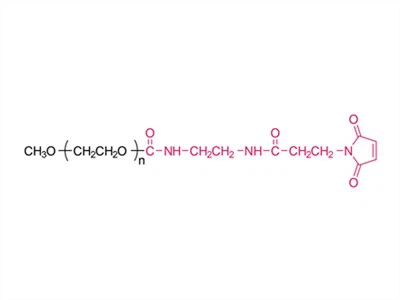
  • Mpeg-mal

    Mpeg-mal

    Product abbreviation: mPEG-MAL(propionamide). CAS no. :. Molecular weight: 2K, 5K, 10K, 20K, 40K.

    Add to Inquiry
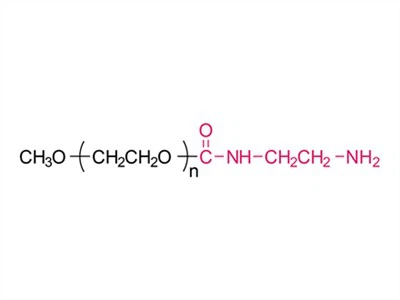
  • Mpeg-nh2 (ethylene Diamine)

    Mpeg-nh2 (ethylene Diamine)

    Product abbreviation: mPEG-NH2 (ethylene diamine). CAS no. :. Molecular weight: 2K, 5K, 10K, 20K,

    Add to Inquiry
  • Mpeg-cl#1-50hr

    Mpeg-cl#1-50hr

    Product abbreviation: MPEG-CL #1-50Hr. CAS no. :. Molecular weight: 2K, 5K, 10K, 20K, 40K. Package

    Add to Inquiry
  • Mpeg-paba

    Mpeg-paba

    Product abbreviation: mPEG-PABA. CAS no. :. Molecular weight: 2K, 5K, 10K, 20K, 40K. Package size:

    Add to Inquiry
  • Mpeg-dbco

    Mpeg-dbco

    Product abbreviation: mPEG-DBCO. CAS no. :. Molecular weight: 2K, 5K, 10K, 20K, 40K. Package size:

    Add to Inquiry
  • Mpeg-alkyne

    Mpeg-alkyne

    Product abbreviation: mPEG-Alkyne. CAS no. :. Molecular weight: 2K, 5K, 10K, 20K, 40K. Package

    Add to Inquiry
  • Snp26-1

    Snp26-1

    Product abbreviation: C46H91NO8. CAS no. :. Molecular weight: 786.23. Package size: 1g, 5g, 10g,

    Add to Inquiry
  • Snp25-1

    Snp25-1

    Product abbreviation: C46H91NO8. CAS no. :. Molecular weight: 786.23. Package size: 1g, 5g, 10g,

    Add to Inquiry
  • Pcbma

    Pcbma

    Product abbreviation: pCBMA. CAS no. :. Molecular weight: 259.35. Package size: 1g, 5g, 10g, 100g,

    Add to Inquiry
First 12 Last 1/2
Why Choose Us

Our History

It is a young company focusing on the fields of organic chemistry and biological engineering. The company specializes in the development, production, and sales of chemicals, new materials, pharmaceutical intermediates, and APIs.

Our service

We divide inquiries into two categories: service-focused and project-focused. We view some inquiries as an opportunity to provide long-term supply chain services to customers, while we manage other inquiries with rigorous project management.

Our Information

In the past 15 years, we have provided products to customers in over 30 countries and won the trust of many famous international companies.


Our Group

Our group mainly includes three companies. Shanghai Canbi Pharmaceutical Technology Co., Ltd. is located in the economic center of China, Shanghai.


Types of Excipients


Anti-foaming Agents / Defoamer
A defoamer or an anti-foaming agent is a chemical additive that reduces and hinders the formation of foam in pharmaceutical process or bioprocesses. The terms anti-foam agent and defoamer are often used interchangeably. Commonly used agents are insoluble oils, polydimethylsiloxanes and other silicones, certain alcohols, stearates and glycols. The additive is used to prevent formation of foam or is added to break a foam already formed.


Antioxidant Excipients
Antioxidant excipients prevent, delay or minimize the oxidation of foods, pharmaceuticals or nutraceuticals to which they are added with the aim of achieve a better and longer stability of the product.


Binder Excipients
Excipients often act as binders to hold the active ingredients and other excipients together in a tablet or capsule. Binders ensure that tablets and granules can be formed with required mechanical strength, and give volume to low active dose tablets. A binder is a substance capable of sticking (interacting) with two substances, forming a bridge between both.


Coating Excipients
A wide variety of pharmaceutical products, including pellets, granules, capsules, powders, and crystals are often film coated. The procedure of coating tablets is a complex process that results in the forming of a thin layer around the tablet. This layer is in the range of 20 to 200 μm in thickness, or around 1 to 9% of the initial weight of the tablet. As a reference, a human hair is usually around 100 μm thick, much like the typical thickness of an immediate release coating.


Disintegrant Excipients
Disintegrants and superdisintegrant excipients are essential components used in the pharmaceutical industry to enhance the dissolution and bioavailability of active pharmaceutical ingredients (APIs). These excipients facilitate the disintegration and rapid breakup of tablets or capsules, which ultimately increases their rate of absorption in the body.


Preservatives
In formulations that require a longer shelf life, excipients can serve as preservatives to inhibit microbial growth and extend product stability. These excipients help maintain the safety and efficacy of the product over time. Examples include parabens and benzyl alcohol. Their inclusion is vital in preventing contamination and degradation of both the active ingredients and the formulation.


The Role of Excipients in Preparations


Excipients

Excipients can give drugs a specific shape, such as granules, tablets, capsules, etc.

Stabilization

Some excipients can protect the chemical structure of drugs, thereby extending the shelf life of drugs. For example, preservatives and antioxidants can prevent drugs from oxidation and maintain their stability.

Improve compliance

Some excipients can improve the taste of drugs and improve patient compliance. For example, sweeteners can increase the sweetness of drugs, making them more acceptable to patients.

Improve the bioavailability of drugs

Some excipients can increase the bioavailability of oral drugs, thereby improving drug efficacy. For example, excipients such as oxalate can increase the bioavailability of oral drugs.

Improve the solubility of drugs

Some excipients can increase the solubility of drugs in water, thereby increasing the absorption rate. For example, dispersants and emulsifiers can increase the solubility of drugs.


Why are Excipients Important in a Drug Product?
 

For many reasons. Some, for example, comprise the product's delivery system. These transport the active drug to the site in the body where the drug is intended to exert its action. Others will keep the drug from being released too early in the assimilation process in places where it could damage tender tissue and create gastric irritation or stomach upset. Others help the drug to disintegrate into particles small enough to reach the blood stream more quickly and still others protect the product's stability so it will be at maximum effectiveness at time of use. In addition, some excipients are used to aid the identification of a drug product. Last, but not least, some excipients are used simply to make the product taste and look better. This improves patient compliance, especially in children. Although technically "inactive" from a therapeutic sense, pharmaceutical excipients are critical and essential components of a modern drug product. In many products, excipients make up the bulk of the total dosage form.

Mpeg-mal


Excipient Compatibility
 

The excipient compatibility is related to the physical and chemical stability of the drug in solid dosage forms. Some of the common ways by which excipients may affect drug stability in the dosage form are by altering moisture content in the dosage form, changing microenvironmental pH in the dosage form, acting as general acid–base catalysts, directly reacting with drug or becoming a source of impurities that can either directly react with drug substances or participate as catalysts in the drug degradation.


The excipients can also alter the physical and/or the chemical form of the drug through, for example, ion-exchange, transformation of polymorphs, and the formation of eutectic or solid solutions. The changes in physical or chemical state may in turn alter the chemical stability of the drug. Most drugs and excipients contain water, which may be either bound or unbound.


The physical state of water in an excipient or the drug–excipient mixture determines its potential role in drug–excipient interactions. Presence of water in the solid-state systems has a significant impact on the stability, not only in causing the hydrolysis of drugs, e.g., of acetylsalicylic acid, but also its participation as a reaction medium, and in increasing the plasticity and molecular mobility of the system.


Are Excipient Safe?


Mpeg-cl#1-50hr

Most, if not all, medicines could not be made without the use of excipients. Excipients are generally considered safe and play a crucial role in the formulation of pharmaceuticals. They serve various functions, including acting as fillers, binders, and preservatives, and are carefully selected based on their safety profiles. Regulatory agencies, such as the FDA, require rigorous testing to ensure that excipients do not pose risks to patients when used in drug formulations.

However, safety can vary depending on the specific excipient and the individual patient. Some excipients may cause allergic reactions or adverse effects in sensitive individuals. Therefore, it is essential for manufacturers to provide detailed information about the excipients used in their products, allowing healthcare professionals to make informed decisions for their patients.


Factors to Consider When Selecting Excipient


When choosing the right excipients, there are several factors to consider, as they directly affect the properties of the medicine.

Efficacy

Pharmaceutical excipients can affect bioavailability: the extent to which a medicine or active ingredient is absorbed into the bloodstream and becomes available to act in the body at the site of action.

Safety

Some excipients may cause side effects that can be harmful to the patient’s health.

Stability

Excipients can affect the stability of the medicine, so excipients should be selected so as not to interact with the other components of the medicine, affecting its potency and quality during its shelf life.

Manufacturing process

Excipients can affect the manufacturing process of medicines, including compatibility with the manufacturing processes and equipment used. Choosing the right excipients can help improve the efficiency of the manufacturing process.

Administration

Excipients may affect the form and ease of administration of the medicine, so it is important to choose excipients that are compatible with the intended form of administration (e.g. tablets, capsules, oral solutions, etc.).

Function

Choosing pharmaceutical excipients depends mostly on the function they will perform in the medicine. There are several types of excipients, each of which has a role in the functioning of the medicine.


How Are Excipients Made?


Excipients are inactive substances used as carriers for the active ingredients in pharmaceutical formulations. Their production often involves several processes, including sourcing raw materials, purification, and formulation. Common excipients, such as binders, fillers, and lubricants, are derived from natural or synthetic sources. For instance, starch, cellulose, and magnesium stearate are popular choices that are processed to meet the required specifications for pharmaceutical use.


The manufacturing of excipients also includes rigorous quality control measures to ensure safety, efficacy, and consistency. This involves testing for purity, stability, and compatibility with active pharmaceutical ingredients. Advanced techniques such as spray drying, granulation, and micronization are employed to achieve the desired particle size and distribution.


Significance of Excipients to Enhance the Bioavailability of Poorly Water-Soluble Drugs in Oral Solid Dosage Forms
Mpeg-cl#1-50hr
Mpeg-mal
Mpeg-nh2 (ethylene Diamine)
Mpeg-dbco

Nowadays most of the drug substances are coming into the innovation pipeline with poor water solubility. Here, the influence of excipients will play a significant role to improve the dissolution of poorly aqueous soluble compounds. The drug substance needs to be dissolved in gastric fluids to get the better absorption and bioavailability of an orally administered drug. Dissolution is the rate-controlling stage for drugs which controls the rate and degree of absorption. Usually, poorly soluble oral administrated drugs show a slower dissolution rate, inconsistent and incomplete absorption which can lead to lower bioavailability.


The low aqueous solubility of BCS class II and IV drugs is a major challenge in the drug development and delivery process. Several technologies have been used in an attempt to progress the bioavailability of poorly water-soluble drug compounds which include solid dispersions, lipid-based formulations, micronization, solvent evaporation, co-precipitation, ordered mixing, liquid-solid compacts, solvent deposition inclusion complexation, and steam aided granulation.


In fact, most of the technologies require excipient as a carrier which plays a significant role in improving the bioavailability using Hypromellose acetate succinate, Cyclodextrin, Povidone, Copovidone, Hydroxypropyl cellulose, Hydroxypropyl methylcellulose, Crospovidone, Starch, Dimethylacetamide, Polyethylene glycol, Sodium lauryl sulfate, Polysorbate, Poloxamer. Mesoporous silica and so on. This review deliberates about the excipients significance on bioavailability enhancement of drug products in a single platform along with pragmatically proved applications so that user can able to select the right excipients as per the molecule.


FAQ


Q: What is required from an excipient?

A: Excipients are pharmacologically inert ingredients added intentionally to a drug product (DP) for various functional roles, such as to enhance dosage form volume or size, disintegration of solid dosage forms, binding of particulates, lubrication during processing, taste masking, or modifying drug release.

Q: What are the important considerations in the choice of excipients?

A: The choice of excipients should first consider the mechanism of action of the drug. Second, the excipients chosen should meet the characteristics and requirements of the dosage form. Third, it is a must to study the effect of the excipient's physical and chemical properties on the preparation.

Q: What is the difference between API and excipients?

A: APIs are pharmacologically active substances that exert therapeutic effects, whereas excipients serve as carriers or vehicles to deliver the API in a safe, effective, and stable manner. While APIs determine the medicinal properties of a product, excipients contribute to its physical form, appearance, and shelf-life.

Q: Can excipients cause side effects?

A: However, occasionally, excipients can cause dose-related adverse reactions. Persistent administration of sugar-containing medicines might cause tooth decay, for example, and the popular sweetener sorbitol used in some liquid medicines can cause diarrhoea because it acts as an osmotic laxative.

Q: How do excipients affect drug absorption?

A: Excipients are generally pharmacologically inert, but can interact with drugs in the dosage form and the physiological factors at the site of absorption to affect the bioavailability of a drug product.

Q: How do we know if a drug is compatible with the excipient used?

A: Infrared (IR), near-infrared (NIR) and Raman spectroscopy are the most commonly used non-thermal techniques for the screening of drug-excipient compatibility. These techniques provide a unique fingerprint to the API and the excipients based on their physical and chemical attributes.

Q: What is the purpose of an excipient?

A: Pharmaceutical excipients are ingredients other than the active pharmaceutical ingredient (API) present in a finished pharmaceutical drug formulation. These are frequently used as lubricants, diluent, binders, flavorings, coating and coloring agents for the formulation.

Q: Are excipients safe?

A: Safety of an excipient is formally assessed by monitoring its effects on vital systems, in particular, the cardiovascular, the central nervous and respiratory systems. A material's toxicity will depend on a variety of factors, including the dose of the substance, duration and route of exposure.

Q: What are adverse drug reactions with excipients?

A: Excipient-related adverse drug reactions (ADR) are common in clinical practice. Common adverse reactions caused by excipients are hyperactivity, bronchoconstriction, skin eruptions, angio-oedema and gastrointestinal symptoms.

Q: Are excipients raw materials?

A: Raw materials are input substances used in both chemical synthesis and processing and include buffers, cleaning agents, common solvents and commonly used synthetic starting materials such as amino acids. Excipients are substances which are used as ingredients in pharmaceutical formulations such as tablets and capsules.

Q: What is the ratio of API to excipients?

A: Many companies do a very basic study where they combine the excipient and API in a standard ratio of perhaps 10:1 or 1:1. Sometimes, additional water may be added as well.

Q: Are excipients and additives the same thing?

A: The additive or excipient is of pharmaceutical grade quality and is prepared and handled in the same way as a pharmaceutical ingredient.

Q: What are the ideal properties of excipient?

A: Ideally, an excipient is pharmacologically inactive, non-toxic, and does not interact with the active ingredients or other excipients. However, in practice few excipients meet these criteria.

Q: What are the main types of excipients?

A: On the basis of their functions, excipients can be categorized as binders, cosolvents, fillers, disintegrates, lubricants, surfactants, emulsifying agents, suspending agents, antimicrobials, preservatives, etc.

Q: Which excipient is used in tablets?

A: Example: Lactose, Spray dried lactose, Micro crystalline cellulose (Avicel 101 and 102), Pvpk30 (Pearlitol SD200 and 25C), Sorbitol, Dibasic calcium phosphate dehydrate, Calcium sulphate dehydrate etc. Binders: Binders are used as binding agent in tablets; it provides cohesive strength to powdered materials.

Q: What are excipients in generic drugs?

A: Excipients are substances other than active pharmaceutical ingredients in finished pharmaceutical dosage forms. Almost all drug dosage forms include some kind of excipient to guarantee the dosage, stability, and bioavailability.

Q: What is an excipient in supplements?

A: Excipients are chemicals added to supplements or medicines, to help carry the main ingredients, or ease the manufacturing process. Many manufacturers use excipients to aid the flow of powder through the machine and into the capsule.

Q: What is an example of an excipient?

A: The active ingredient makes the medicine do what it claims, for example, paracetamol for pain relief. Examples of excipients added to medicines include: oils or alcohol to help the active ingredient dissolve. fillers or binding ingredients to make a tablet's shape and size.

As one of the leading excipient manufacturers and suppliers in China, we warmly welcome you to buy high-grade excipient in stock here from our company. All our products are with high quality and competitive price.

N N Dimethylformamide, Pcbth, Sodium lignosulfonate
goTop

(0/10)

clearall