
Canbi Pharma Tech Limited

Bio-chemicals

Canbi Pharma Technology


Canbi Pharma Technology is a subsidiary of Chongqing Kalan Pharmaceutical Co., Ltd.(Also known as CONIER CHEM AND PHARMA LIMITED). It was founded in the first economic and technological development zone in Southwest China. It is a young company focusing on the fields of organic chemistry and biological engineering. The company specializes in the development, production, and sales of chemicals, new materials, pharmaceutical intermediates, and APIs.


Why Choose Us

Our History

It is a young company focusing on the fields of organic chemistry and biological engineering. The company specializes in the development, production, and sales of chemicals, new materials, pharmaceutical intermediates, and APIs.


Our service

We divide inquiries into two categories: service-focused and project-focused. We view some inquiries as an opportunity to provide long-term supply chain services to customers, while we manage other inquiries with rigorous project management.

Our Information

In the past 15 years, we have provided products to customers in over 30 countries and won the trust of many famous international companies.


Our Group

Our group mainly includes three companies. Shanghai Canbi Pharmaceutical Technology Co., Ltd. is located in the economic center of China, Shanghai.


First 12345 Last 1/5

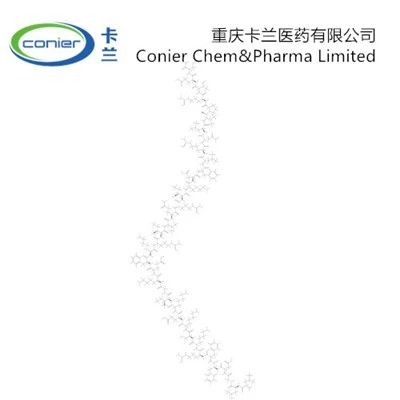
What Is 39450-01-6 Proteinase K


Proteinase K is a serine protease that breaks down proteins by hydrolyzing peptide bonds. It is a broad-spectrum protease that can digest a wide variety of proteins, including those that are resistant to other proteases. Proteinase K is commonly used in molecular biology and biochemistry applications to digest structural proteins and enzymes. It is useful in removing nucleases that can degrade DNA and RNA, as well as in the isolation of intact genomic DNA from various sources. Proteinase K is also used in the analysis of prion protein structure and function.


The Main Function of 39450-01-6 Proteinase K


DNA and RNA Extraction: Proteinase K is often used in nucleic acid extraction protocols to remove proteins that might interfere with downstream applications such as PCR (Polymerase Chain Reaction) or sequencing. It helps in releasing DNA and RNA from cells or tissues by breaking down the associated proteins.


Tissue Lysis: Proteinase K is utilized in tissue lysis protocols to disrupt cell membranes and break down structural proteins, allowing access to intracellular components.


Gene Cloning and Manipulation: In molecular biology, Proteinase K treatment is employed in various gene cloning and manipulation techniques to remove unwanted proteins or to inactivate enzymes that might interfere with the experimental process.


Protein Structure Studies: Proteinase K is also used in protein structure studies to selectively digest specific proteins from a complex mixture, enabling the isolation and characterization of individual proteins.


In situ Hybridization: In molecular biology techniques such as in situ hybridization, where the localization of specific nucleic acid sequences within tissues is studied, Proteinase K treatment is often used to remove proteins and improve the accessibility of the target sequences to nucleic acid probes.


Removal of RNase: Proteinase K treatment is sometimes employed to remove RNase (ribonuclease) contamination from experimental samples, as Proteinase K digestion can render RNases inactive.


What is the Enzyme Activity of Proteinase k?
 

Activated by calcium (1 – 5 mM), the enzyme digests proteins preferentially after hydrophobic amino acids (aliphatic, aromatic and other hydrophobic amino acids). Although calcium ions do not affect the enzyme activity, they do contribute to its stability. Proteins will be completely digested, if the incubation time is long and the protease concentration high enough. Upon removal of the calcium ions, the stability of the enzyme is reduced, but the proteolytic activity remains.

Proteinase K has two binding sites for Ca2+, which is located close to the active center, but is not directly involved in the catalytic mechanism. Removal of the Ca2+ ions reduces the catalytic activity of Proteinase K by 80 %. The residual activity is sufficient to digest proteins, which usually contaminate nucleic acid preparations. Therefore, the digest with proteinase K for the purification of nucleic acids is performed in the presence of EDTA (inhibition of magnesium-dependent enzymes). If the presence of Ca2+ required, Ca2+ is added up to a concentration of 1 mM and is removed by the addition of EGTA (pH 8.0; final conc. 2 mM) later on.

39450-01-6 Proteinase K


How do you Determine if the Proteinase k is Working?
 

One can use an artificial substrate like benzoyl arginine -p-nitroanilide that when cleaved by the proteinase yields a yellow colored p-nitroaniline that absorbs at ~ 410 nm. You can then determine the activity of the proteinase K by determining how many micromoles of the p-nitroanilide are produced per minute. Then, by dividing by the total amount of protein in the solution, you can determine the specific activity of the enzyme = units (one unit equals 1 mole of p-nitroanilide produced/min ), specific activity = units of enzyme activity/mg total protein.


Alternatively, prepare a 1.25 % agar containing 2% casein in pH eight buffer and pour into a petri dish. Punch 4 mm diameter wells in the gel about 20 mm apart. In the wells place various concentrations of your proteinase K solution. Allow to incubate at room temp (humidified) for 6-8 hrs. Look for the clear zones around the wells. The size of the clear zone is proportional to the concentration of the proteinase K and gives a visual appraisal of active digestion of a protein rather than a synthetic substrate.


The Stability of Proteinase K
 

Proteinase K can hydrolyse various peptide bonds under diverse conditions, even under ones that are too stringent to render other proteases inactive. For example, Proteinase K remains an active wide range of temperatures; it can remain active up to 65°C and remain active for a broad range of pH between 7.5 and 12.0. The activity of Proteinase K is somewhat enhanced in the presence of chaotropic agents such as SDS (up to 1-2%)1,2 and Urea (4 M)3. Calcium stabilizes Proteinase K for thermostability of Proteinase K, although not essential for catalysis, and hence Proteinase K remains active in the presence of EDTA (4). Proteinase K should be stored at -20°C but is also stable at 4°C.


What Is The Extraction Method of Proteinase K?


The proteinase K DNA extraction method is commonly used to isolate high-quality DNA for downstream applications, such as PCR, sequencing, and cloning. The method is particularly useful for samples that contain high amounts of proteins, such as tissues or cells, as it allows for efficient removal of proteins without damaging the DNA. The proteinase K DNA extraction method typically involves the following steps:

1. Sample lysis

Lyse the cells or tissues and release the genomic DNA by adding a lysis buffer to the sample that contains detergents and other reagents that disrupt the cell membrane and break apart protein complexes.
2. Protein digestion

Add proteinase K to the sample to digest the proteins that are bound to the DNA. The enzyme is usually added to the sample at a final concentration of 0.2-1 mg/mL and incubated at an optimal temperature (55-65 °C) for 30-60 minutes.
3. Deactivation

After the protein digestion is complete, the proteinase K is deactivated by heating the sample to above 95 °C for a few minutes or by adding a protease inhibitor to the sample.
4. DNA isolation

The DNA can then be isolated from the sample by various methods, such as precipitation with ethanol or isopropanol, or by using a commercial DNA isolation kit.

Note: Proteinase K should be stored at -20 °C or below to maintain its stability and activity. It is important to protect proteinase K from exposure to heat, moisture, and other contaminants to ensure optimal performance.


How to Quality Check Proteinase K?


The proteinase K purity can be a critical determinant for downstream applications with purified DNA/RNA, and therefore it is important to check the Proteinase K quality. This can be done using the following simple tests.

DNA Digestion test: Here 1μg of lambda-DNA and 1.8 units enzyme are incubated together for 16 hours at 37°C. For a pure Proteinase K, a same DNA band pattern after gel electrophoresis should be seen with and without Proteinase K.

RNA Digestion test: Here Incubation of 6 units of the enzyme with 1 μg MS2 RNA is carried out in assay buffer for 4 hours at 37°C. A pure Proteinase K should have the same RNA band pattern with or without Proteinase K treatment.


What Part Does Proteinase K Play In DNA Extraction?
 

The cell or tissue samples are first lysed to release the cellular components before DNA extraction can begin. To digest the proteins and remove them from the mixture, Proteinase K is added to the lysate. The lysate’s proteins have the potential to hinder subsequent processes like PCR, cloning, and sequencing. For this reason, high-quality DNA samples can only be obtained by eliminating proteins.


Proteinase K breaks down the structure of proteins by hydrolyzing the peptide bonds in the proteins. It breaks the peptide bond of aliphatic and aromatic amino acids like tryptophan, tyrosine, phenylalanine, and leucine close to the carboxyl group. The enzyme is active in the presence of SDS, which is a strong denaturant that disrupts the protein structure and exposes the cleavage sites.


Nucleases that have the potential to degrade DNA samples can also be effectively digested by Proteinase K. The DNA is broken up by nucleases, enzymes that break the phosphodiester bonds in the backbone of the DNA. They can be released during the lysis process and are found in cell or tissue samples. Proteinase K can process the nucleases and keep them from harming the DNA tests.


What is 16009-13-5 Hemin
 

Hemin, also known by its trade name Panhematin, is a fascinating compound with a unique place in the world of pharmaceuticals. This drug is primarily used to treat acute porphyrias, a group of rare genetic disorders. The drug is a heme derivative, and its primary role is to replenish heme levels in the body, thereby reducing the synthesis of toxic porphyrin precursors. Developed and researched extensively by health institutions and pharmaceutical companies, Hemin is a critical lifeline for patients suffering from acute intermittent porphyria (AIP), one of the more severe forms of porphyria.

16009-13-5 Hemin

What is the Main Function of 16009-13-5 Hemin?


16009-13-5 Hemin

Oxygen Transport: Like hemoglobin, hemin can bind oxygen, although it is less effective in this role.

Regulation of Enzymes: Hemin can act as a cofactor for various enzymes involved in metabolic processes.

Inhibition of Synthesis: It can inhibit the synthesis of certain proteins, particularly in the context of heme synthesis, thus regulating the availability of heme in the body.

Therapeutic Uses: Hemin is used in medical treatments for conditions like acute porphyria, where it helps reduce the production of porphyrins, which can accumulate and cause symptoms.


What Is The Mechanism Of Hemin?


Hemin is an important biochemical compound used in various medical and research applications. Understanding the mechanism of hemin involves delving into its molecular structure, its role in biological systems, and its therapeutic applications.


Hemin is an iron-containing porphyrin, specifically known as ferriprotoporphyrin IX chloride. It is a derivative of heme, the prosthetic group that forms an essential part of hemoglobin, myoglobin, and various cytochromes. The unique characteristics of hemin are largely attributed to the central iron atom, which can undergo redox reactions and coordinate with other molecules, making it indispensable in various biological processes.


In the human body, hemin is crucial for its role in oxygen transport and cellular respiration. Hemoglobin, the oxygen-carrying protein in red blood cells, relies on heme groups to bind oxygen molecules and transport them from the lungs to tissues throughout the body. Cytochromes, especially those in the mitochondrial electron transport chain, are involved in cellular respiration and energy production. Hemin, through its iron atom, facilitates electron transfer, which is vital for ATP synthesis.


The therapeutic application of hemin is notable in the treatment of acute porphyrias, a group of rare genetic disorders affecting the heme biosynthesis pathway. Porphyrias can lead to the accumulation of toxic intermediates, causing severe neurological and abdominal symptoms. Hemin administration helps to mitigate these symptoms by providing an exogenous source of heme, which in turn inhibits the hepatic enzyme delta-aminolevulinic acid synthase (ALAS1). This inhibition reduces the production of toxic intermediates and ameliorates the symptoms of acute porphyric attacks.


In addition to its therapeutic role, hemin is also utilized in laboratory research to study various biochemical and physiological processes. Its ability to bind and modulate the activity of proteins makes it a valuable tool for investigating heme proteins and understanding their functions in different biological systems. Researchers often use hemin to explore mechanisms of oxidative stress, signal transduction, and gene expression regulation.


The pharmacological action of hemin in treating porphyrias is mediated through its interaction with specific cellular pathways. Upon administration, hemin is taken up by hepatocytes where it acts to repress the transcription of ALAS1, the rate-limiting enzyme in heme biosynthesis. This repression reduces the synthesis of porphyrin precursors, alleviating the acute symptoms associated with porphyrias. The reduction in toxic intermediates also helps to protect neural and hepatic tissues from damage.


It is important to note that while hemin is effective in treating certain conditions, its administration must be carefully managed. Hemin can be administered intravenously under medical supervision, and dosages need to be tailored to the individual patient's needs to avoid potential side effects such as iron overload or infusion-related reactions.


Reactions and Steps Involved in Hemin Synthesis


1. Condensation of Glycine and Succinyl-CoA

In the first step of hemin synthesis, the enzyme ALA synthase catalyzes the condensation reaction between glycine and succinyl-CoA.
This results in the formation of δ-aminolevulinic acid (ALA). This reaction, catalyzed by the enzyme ALA synthase, results in the formation of δ-aminolevulinic acid (ALA).
Reaction: Glycine + Succinyl-CoA → δ-aminolevulinic acid (ALA)
Enzyme: ALA synthase

2. Formation of Porphobilinogen (PBG)

The enzyme ALA dehydratase acts on two molecules of ALA, catalyzing their condensation and removal of water molecules.
This leads to the formation of porphobilinogen (PBG).Two molecules of ALA condense to form PBG in a reaction catalyzed by ALA dehydratase.
Reaction: 2 ALA → PBG + 2 H2O
Enzyme: ALA dehydratase

3. Conversion of Porphobilinogen to Uroporphyrinogen III

Porphobilinogen deaminase is the enzyme responsible for converting four molecules of PBG into hydroxymethylbilane.
This process involves the removal of NH3 groups, resulting in the formation of uroporphyrinogen III.
Four molecules of PBG are enzymatically converted to uroporphyrinogen III.
Reaction: 4 PBG → Hydroxymethylbilane + 3 H2O
Enzyme: Porphobilinogen deaminase

4. Decarboxylation of Uroporphyrinogen III

Uroporphyrinogen III is further modified by the enzyme uroporphyrinogen decarboxylase, which catalyzes the decarboxylation of the molecule.
This step generates coproporphyrinogen III.
Uroporphyrinogen III is decarboxylated to form coproporphyrinogen III.
Reaction: Hydroxymethylbilane → Uroporphyrinogen III + CO2 + H2O
Enzyme: Uroporphyrinogen decarboxylase

5. Oxidative Decarboxylation of Coproporphyrinogen III

Coproporphyrinogen oxidase is the enzyme responsible for the oxidative decarboxylation of coproporphyrinogen III.
This reaction removes two carboxyl groups and converts the molecule into protoporphyrinogen IX.
Coproporphyrinogen III is oxidatively decarboxylated to form protoporphyrinogen IX.
Reaction: Coproporphyrinogen III → Protoporphyrinogen IX + CO2 + 2H2O
Enzyme: Coproporphyrinogen oxidase

6. Conversion of Protoporphyrinogen IX to Protoporphyrin IX

The enzyme protoporphyrinogen oxidase catalyzes the oxidation of protoporphyrinogen IX, leading to the formation of protoporphyrin IX.
This step involves the removal of two hydrogen atoms.
Protoporphyrinogen IX is oxidized to form protoporphyrin IX.
Reaction: Protoporphyrinogen IX → Protoporphyrin IX + H2O
Enzyme: Protoporphyrinogen oxidase

7. Insertion of Iron into Protoporphyrin IX

The final step of hemin synthesis involves the insertion of iron into protoporphyrin IX.
The enzyme ferrochelatase facilitates the insertion of ferrous (Fe2+) iron into the protoporphyrin ring, resulting in the formation of hemin.
Iron is inserted into protoporphyrin IX, resulting in the formation of hemin.
Reaction: Protoporphyrin IX + Fe2+ → Hemin
Enzyme: Ferrochelatase


Application of Hemin


1. In the food industry, hemin can replace nitrite and synthetic colorants used as colorants in meat products.

2. In the pharmaceutical industry, hemin can be used as a semi-synthetic bilirubin raw material and can also be used to prepare anticancer drugs. It can also be made into blood tonics.

3. It is used as a food colorant and in medicine as an iron fortifier and anti-anemia drug. It is also used as a semi-synthetic bilirubin raw material.


What is the Extraction Method of Hemin?
 

A method for extracting an iron supplement, Hemin, from the blood of livestock and poultry, characterized by the following steps:

1. First, let the blood of livestock and poultry naturally coagulate for 24-45 hours at a temperature of 25°C-37°C, remove the serum, and use a colloid mill to crush the coagulated blood clots into a pulp. Then, dry it in the sun or spray dry it into blood powder, or spray dry it after enzymatic hydrolysis with protein.

2. Then, add salt to acetic acid with a concentration of 40%-90%, where the salt is 0.1%-0.25% of the amount of acetic acid. Heat and stir until the salt is completely dissolved, add the prepared blood powder, and the ratio of acetic acid to blood powder is 10-13:1. Stir and heat to boiling, keep warm for 20-120 minutes, let it settle, and cool to room temperature. Then, separate the Hemin crystals by centrifugation, wash them with water until neutral pH, and dry them at 50-60°C to obtain the product.

3. The separated liquid is recovered using conventional methods for acetic acid.

4. The residue after recovering acetic acid and the separated serum can be directly dried and used as a protein additive for feed or processed into agricultural fertilizer through fermentation or acid hydrolysis to produce amino acids.


FAQ


Q: What is proteinase K used for?

A: Proteinase K is a broad-spectrum serine protease under the subtilisin-like class. Given its broad spectrum, it is primarily used for the isolation of nucleic acids. Proteinase K is ideal for this application because. Proteinase K breaks down cellular proteins and Proteinase K inactivates contaminating DNases and RNases that could degrade nucleic acid samples downstream.

Q: How do you activate proteinase K?

A: Proteinase K is activated at increased temperatures. The optimal temperature for activation ranges between 50-60 oC. However, depending on your application, Proteinase K can be active between ~20-65 oC, allowing for flexibility with specialized protocols. Beyond 65 oC, there is a risk of inactivation of the enzyme. The addition of SDS (sodium dodecyl sulfate (C941H01)) and/or urea (C829N46) to buffers can also help stabilize the enzyme and increases its activity.

Q: How do you inactivate proteinase K?

A: In general, heating the enzyme to 95 oC for 10 minutes will inactivate it. However, heating alone will not completely terminate all enzyme activity. Addition of inhibitors, such as the Protease Inhibitor Cocktail Kit (C833V00), or individual protease inhibitors like PMSF, AEBSF or DFP will inhibit enzyme activity. Adding chelators (e.g. EDTA or EGTA) will not have a direct effect on Proteinase K activity. However, because chelators remove calcium from the solution and Proteinase K is dependent on calcium for its thermostability, the addition of EDTA or EGTA can reduce the overall activity of the enzyme.

Q: What is the activity of the Proteinase K I am using in my reaction?

A: The activity of the enzyme is dependent on the concentration of the enzyme added per volume of reaction. For instance, if you added 1 μL of a 50 U/μL Proteinase K solution, then 1 μL is equal to 50 U of activity. However, the addition of 1 μL of a 10 U/μL Proteinase K solution will result in a 5-fold reduction of enzyme activity, even though in both cases you are adding 1 μL of Proteinase solution.

Q: What precautions should be taken during proteinase K?

A: Avoid eye contact with this material. Wear chemical safety goggles. Use chemical gloves as needed. Use clean protective body covering clothing as needed to minimize contact with clothing and skin.

Q: What are the requirements for proteinase K?

A: Proteinase K is active in a wide range of temperatures and buffers with optimal activity between 20 and 60°C and a pH between 7.5 and 12.0. Activity is stimulated when up to 2% SDS or up to 4 M urea are included in the reaction.

Q: Does proteinase K work at room temperature?

A: Keep in mind is that - while the listed range is great for proteinase K activity, the enzyme is still active in temperatures ranging between ~20-65 ˚C, and having that wide temperature flexibility available might be useful for very particular methods you're performing.

Q: How fast does hemin work?

A: Symptoms generally start to improve within 24 hours and are usually significantly improved after 48 hours. The infusion is hypertonic and contains propylene glycol. Monitor the site during treatment as there is a risk of extravasation, which may cause skin discolouration.

Q: How long does it take to administer hemin?

A: Administration (2.2) Use sterile 0.45 micron or smaller filter to remove any undissolved particulate matter. The dose may be administered directly from the vial over a period of at least 30 minutes. After the infusion, flush the vein with 100 mL of 0.9% NaCl.

Q: What is the half life of hemin?

A: The highest stability of heme was observed under anaerobic reductive conditions (half-life 9.5 days), while the lowest stability was found in the presence of H2O2 (half-life 1 min).

Q: What does hemin inhibit?

A: Hemin inhibits DNA synthesis by binding reversibly to the enzyme. Binding assays demonstrated that hemin prevents association and causes dissociation of the DNA-enzyme complex.

Q: What does hemin do for bacteria?

A: Hemin readymade solution is used as a culture-medium supplement for fastidious anaerobic microorganisms, shown to enhance the growth of many anaerobes including Bacteroides species and certain gram-positive non-spore forming organisms.

Q: Is hemin light sensitive?

A: For 100 mL of medium preparation, it is recommended to add 1 mL of hemin ready-made solution after autoclaving the medium, to achieve a final concentration of 5 microgram/mL. The optimal concentration of the supplement may vary for each strain. The solution is classified as light sensitive.

Q: How does hemin help porphyria?

A: Intravenous hemin is the first-line therapy of choice in patients that have acute attacks of porphyria, such as acute intermittent porphyria. The mechanism of action of hemin is that it limits hepatic and/or marrow porphyrin formation by blocking the formation of aminolevulinic acid synthase.

As one of the leading bio-chemicals manufacturers and suppliers in China, we warmly welcome you to buy high-grade bio-chemicals in stock here from our company. All our products are with high quality and competitive price.

Melamine, Ketoconazole, Sulfaquinoxaline
goTop

(0/10)

clearall