

Hey there! As a supplier of bio - chemicals, I've always been fascinated by the amazing world of fungi and the bio - chemicals they produce. Fungi are like nature's little factories, churning out all sorts of interesting and useful substances. In this blog, I'm gonna take you on a journey to explore the bio - chemicals in fungi.
Let's start with the basics. Fungi are a diverse group of organisms that include mushrooms, yeasts, and molds. They play crucial roles in the ecosystem, like decomposing organic matter and forming symbiotic relationships with plants. But what really gets me excited is the wide range of bio - chemicals they can synthesize.
One of the most well - known bio - chemicals from fungi is penicillin. You've probably heard of it. Back in 1928, Alexander Fleming discovered penicillin when he noticed that a mold called Penicillium notatum was inhibiting the growth of bacteria. This was a huge breakthrough in medicine. Penicillin is an antibiotic, which means it can kill or stop the growth of harmful bacteria. It has saved countless lives since its discovery and has led to the development of many other antibiotics.
Another interesting bio - chemical is lovastatin. It's produced by the fungus Aspergillus terreus. Lovastatin is a statin drug, and it's used to lower cholesterol levels in the blood. It works by blocking an enzyme in the liver that's involved in cholesterol production. By reducing cholesterol, lovastatin helps to prevent heart diseases and strokes.
Now, let's talk about some less - known but equally important bio - chemicals. Fungi can produce a variety of secondary metabolites, which are substances that aren't essential for the fungus's basic survival but have important ecological or medicinal functions.
Some fungi produce mycotoxins. While these sound scary (and they can be), they also have potential uses. For example, some mycotoxins have been studied for their anti - cancer properties. They can target cancer cells and disrupt their growth and survival mechanisms. Of course, using mycotoxins in medicine requires a lot of research and careful handling because they can also be toxic to normal cells.
Fungi also make pigments. These pigments can have different colors, like red, yellow, or green. Some of these pigments have antioxidant properties. Antioxidants are substances that can protect our cells from damage caused by free radicals. Free radicals are unstable molecules that can cause oxidative stress, which is linked to many diseases, including cancer, heart disease, and aging.
In the world of bio - chemicals, we're always on the lookout for new and useful substances from fungi. That's where our company comes in. We're dedicated to sourcing and supplying high - quality bio - chemicals derived from fungi.
For example, we offer 120205 - 50 - 7 N - boc - (2r,3r,4s) - dolaproine. This bio - chemical has potential applications in pharmaceutical research. It can be used as a building block for synthesizing more complex molecules that might have therapeutic effects.
Another product in our catalog is 4291 - 63 - 8 2 - chloro - 2'- deoxyadenosine. This compound is used in the treatment of certain types of leukemia and lymphoma. It works by interfering with the DNA synthesis of cancer cells, stopping them from growing and dividing.
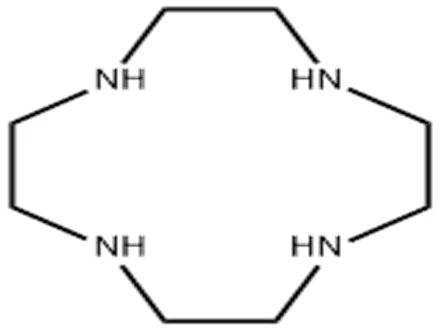
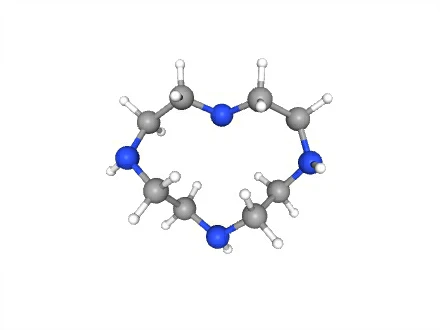
And then there's 294 - 90 - 6 Cyclen. Cyclen is a cyclic amine that has applications in coordination chemistry and medicinal chemistry. It can form complexes with metal ions, which can be used in imaging techniques or as catalysts in chemical reactions.
The process of extracting and purifying these bio - chemicals from fungi is not easy. It requires a lot of expertise and advanced technology. First, we need to select the right fungal strains. Different strains can produce different amounts and types of bio - chemicals. Then, we grow the fungi in a controlled environment, like a bioreactor. We have to optimize the growth conditions, such as temperature, pH, and nutrient supply, to get the maximum production of the desired bio - chemical.
After the fungi have grown and produced the bio - chemicals, we need to extract them from the fungal cells or the growth medium. This usually involves using solvents and separation techniques. Once we have the crude extract, we have to purify it to get a pure and high - quality product.
We also ensure that all our products meet strict quality standards. We use advanced analytical techniques, like high - performance liquid chromatography (HPLC) and mass spectrometry, to analyze the purity and identity of our bio - chemicals.
If you're in the pharmaceutical, research, or any other industry that needs bio - chemicals from fungi, we'd love to hear from you. Whether you're working on developing new drugs, conducting basic research, or need a reliable source of bio - chemicals for your production process, we can help. We offer a wide range of bio - chemicals, and we can also customize our products according to your specific needs.
We're committed to providing excellent customer service. Our team of experts is always ready to answer your questions and provide technical support. So, if you're interested in any of our products or have any inquiries, don't hesitate to reach out. Let's start a conversation and see how we can work together to meet your bio - chemical needs.
In conclusion, fungi are a treasure trove of bio - chemicals. From life - saving antibiotics to cholesterol - lowering drugs, the bio - chemicals from fungi have had a huge impact on our lives. And there's still so much more to discover. As a bio - chemical supplier, we're excited to be part of this journey and to bring these amazing substances to the market.
References
- Demain, A. L., & Fang, A. (2000). Natural products from fungi: enzymes, secondary metabolites, and gibberellins. Advances in Applied Microbiology, 47, 1 - 39.
- Turner, W. B., & Aldridge, D. C. (1983). Fungal metabolites. Academic Press.
- Bennett, J. W., & Klich, M. (2003). Mycotoxins. Clinical Microbiology Reviews, 16(3), 497 - 516.
