

Hey there! As a supplier of new materials, I'm super excited to share with you how to synthesize nanoscale new materials. Nanoscale materials have been making waves in various industries because of their unique properties and potential applications. So, let's dive right in!
Understanding the Basics of Nanoscale Materials
First off, what exactly are nanoscale materials? Well, they're materials with at least one dimension in the nanometer range, which is about 1 to 100 nanometers. To put that into perspective, a single human hair is about 80,000 to 100,000 nanometers wide. At this tiny scale, materials can exhibit different physical, chemical, and biological properties compared to their bulk counterparts.
Why Synthesize Nanoscale New Materials?
There are tons of reasons to synthesize nanoscale new materials. For one, they can have enhanced mechanical strength, electrical conductivity, and catalytic activity. These properties make them ideal for use in electronics, energy storage, medicine, and environmental applications. For example, in electronics, nanoscale materials can be used to make smaller and more efficient components. In medicine, they can be used for targeted drug delivery.
Methods of Synthesizing Nanoscale New Materials
There are two main approaches to synthesizing nanoscale new materials: top - down and bottom - up.
Top - Down Approach
The top - down approach starts with a bulk material and uses physical or chemical processes to break it down into smaller pieces until it reaches the nanoscale. One common method is mechanical milling, where the bulk material is placed in a mill and subjected to high - energy collisions with grinding media. This method is relatively simple and can be used to produce large quantities of nanoscale materials. However, it can also introduce impurities and defects into the material.
Another top - down method is lithography, which is commonly used in the semiconductor industry. Lithography uses light or electron beams to pattern a thin film on a substrate, creating nanoscale features. This method allows for precise control over the size and shape of the nanoscale structures, but it can be expensive and time - consuming.
Bottom - Up Approach
The bottom - up approach, on the other hand, starts with individual atoms or molecules and builds them up into larger structures. One of the most well - known bottom - up methods is chemical synthesis. In chemical synthesis, precursors (chemical compounds that contain the desired elements) are mixed together in a solution and undergo a chemical reaction. The reaction conditions, such as temperature, pressure, and pH, are carefully controlled to ensure that the atoms or molecules assemble into the desired nanoscale structure.
For example, in the synthesis of metal nanoparticles, metal salts are dissolved in a solution along with a reducing agent. The reducing agent donates electrons to the metal ions, causing them to be reduced to metal atoms. These metal atoms then aggregate to form nanoparticles. The size and shape of the nanoparticles can be controlled by adjusting the concentration of the precursors, the reaction time, and the presence of surfactants (substances that can prevent the nanoparticles from aggregating further).
Another bottom - up method is self - assembly. Self - assembly is a process where molecules or particles spontaneously organize themselves into ordered structures due to intermolecular forces such as van der Waals forces, hydrogen bonding, and electrostatic interactions. This method can be used to create complex nanoscale structures with minimal external intervention.
Factors Affecting the Synthesis of Nanoscale New Materials
Several factors can affect the synthesis of nanoscale new materials.
Precursor Selection
The choice of precursors is crucial. The precursors should contain the desired elements and have the appropriate chemical reactivity. For example, if you're synthesizing a metal oxide nanoparticle, you might choose a metal salt and an oxidizing agent as precursors. The purity of the precursors also matters, as impurities can affect the properties of the final nanoscale material.
Reaction Conditions
As mentioned earlier, reaction conditions such as temperature, pressure, and pH can have a significant impact on the synthesis. Higher temperatures can increase the reaction rate, but they can also cause the nanoparticles to agglomerate. The pH of the solution can affect the solubility of the precursors and the surface charge of the nanoparticles. Pressure can also influence the reaction kinetics and the morphology of the nanoscale materials.
Surfactants and Capping Agents
Surfactants and capping agents are often used in the synthesis of nanoscale materials. Surfactants can reduce the surface tension between the nanoparticles and the surrounding medium, preventing them from aggregating. Capping agents can bind to the surface of the nanoparticles, controlling their growth and preventing them from reacting with other substances.
Our New Material Offerings
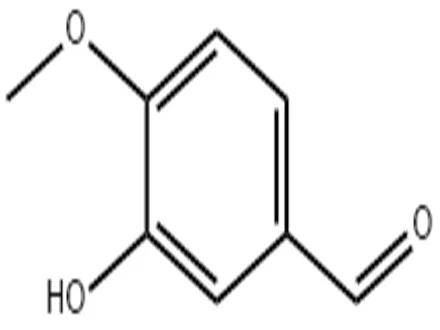
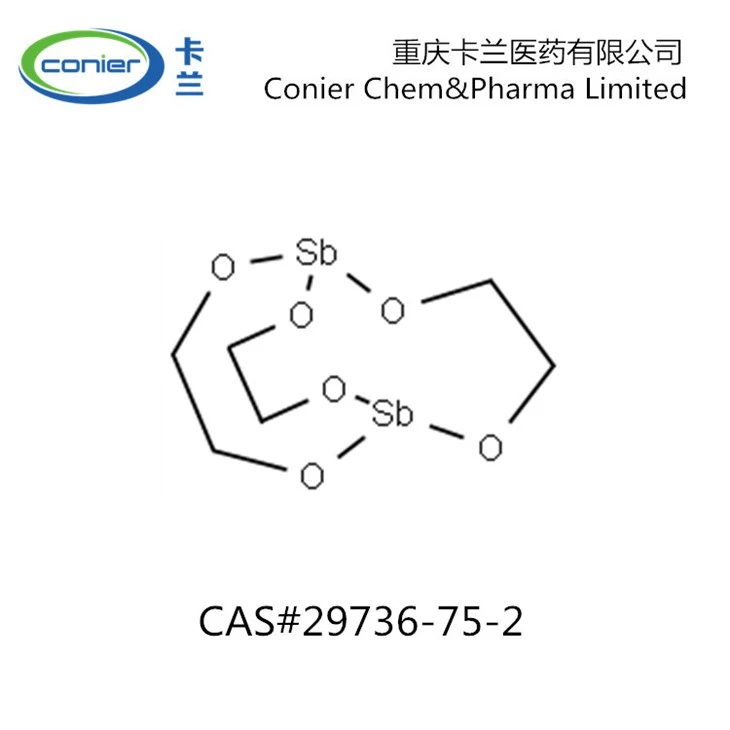
At our company, we offer a wide range of new materials, including 29736 - 75 - 2 Antimony Triglycolate, 621 - 59 - 0 Isovanillin, and 108321 - 42 - 2 G418 Sulfate. These materials have unique properties and can be used in various applications. Whether you're working on a research project or a commercial product, our nanoscale new materials can provide the performance you need.
Quality Control in Nanoscale New Material Synthesis
Quality control is essential in the synthesis of nanoscale new materials. We use a variety of techniques to characterize our materials, including transmission electron microscopy (TEM), scanning electron microscopy (SEM), and X - ray diffraction (XRD). TEM and SEM allow us to visualize the size, shape, and morphology of the nanoscale materials, while XRD can be used to determine their crystal structure.
Challenges in Nanoscale New Material Synthesis
Synthesizing nanoscale new materials isn't without its challenges. One of the main challenges is scalability. Many of the synthesis methods that work well in the laboratory are difficult to scale up for industrial production. Another challenge is the potential environmental and health risks associated with nanoscale materials. Since these materials are so small, they can easily enter the environment and the human body, and their long - term effects are not yet fully understood.
Conclusion
Synthesizing nanoscale new materials is an exciting and rapidly evolving field. With the right methods and techniques, we can create materials with unique properties that have the potential to revolutionize various industries. At our company, we're committed to providing high - quality nanoscale new materials and helping our customers find the best solutions for their applications.
If you're interested in learning more about our nanoscale new materials or have a specific project in mind, we'd love to hear from you. Reach out to us for a detailed discussion and let's start a fruitful partnership in exploring the endless possibilities of nanoscale new materials!
References
- "Nanomaterials: Synthesis, Properties and Applications" by Challa S. S. R. Kumar
- "Introduction to Nanoscience and Nanotechnology" by Charles P. Poole Jr. and Frank J. Owens
- Research papers on nanomaterial synthesis from leading scientific journals such as Nature Nanotechnology and Nano Letters.
