

Hey there! As a supplier of fine chemicals, I've had the privilege of being deeply involved in various industries, especially the medical device industry. Fine chemicals play a crucial role in this field, contributing to the functionality, safety, and performance of medical devices. In this blog, I'll share some of the key fine chemicals used in the medical device industry.
Antimicrobial Agents
One of the most important aspects of medical devices is preventing infections. Antimicrobial fine chemicals are used to achieve this goal. For example, silver-based compounds are widely used due to their broad - spectrum antimicrobial activity. Silver ions can disrupt the cell membranes of bacteria, fungi, and viruses, preventing their growth and reproduction.
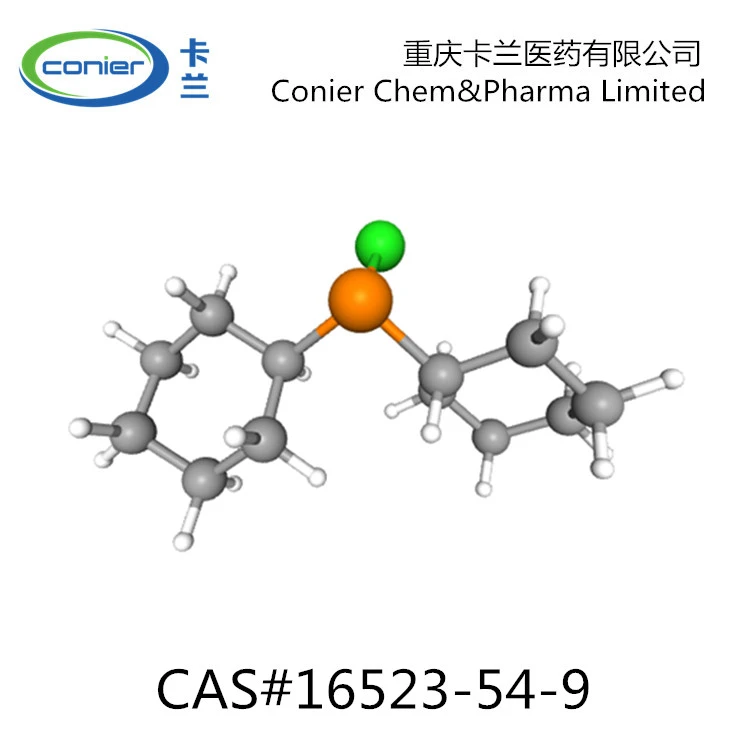
Another commonly used antimicrobial fine chemical is triclosan. It's an antibacterial and antifungal agent that has been incorporated into many medical devices such as catheters and wound dressings. Triclosan works by inhibiting the enzymes involved in fatty acid synthesis in microorganisms. You can find more about these types of fine chemicals on our website. We have products like 16523 - 54 - 9 Dicyclohexylchlorophosphine which, although not an antimicrobial agent directly, can be used in the synthesis of other compounds that may have applications in the medical device industry.
Lubricants
Medical devices often need to move smoothly, whether it's a syringe plunger or a catheter. Fine chemicals are used to make high - quality lubricants. Silicone oils are a popular choice. They have excellent lubricating properties, are chemically inert, and biocompatible. This means they won't react with the human body and cause any adverse effects.
Polyethylene glycol (PEG) is another great lubricant. It can be formulated into different viscosities, making it suitable for a wide range of medical device applications. PEG is also water - soluble, which can be an advantage in some cases where easy cleaning or removal of the lubricant is required.
Coating Materials
Coatings on medical devices can serve multiple purposes. They can improve biocompatibility, reduce friction, and provide a barrier against harmful substances. For example, polyurethane coatings are used on many implantable medical devices. Polyurethane is flexible, durable, and can be tailored to have different surface properties.
Another coating material is Parylene. It forms a thin, conformal, and pinhole - free coating on medical devices. Parylene coatings offer excellent moisture and chemical resistance, which is crucial for devices that may be exposed to bodily fluids or harsh sterilization methods. Our company offers 140 - 11 - 4 Benzyl Acetate, which can be used in the synthesis of some coating materials for medical devices.
Adhesives
Adhesives are used to bond different components of medical devices together. Cyanoacrylate adhesives are well - known for their fast - curing and strong bonding properties. They can bond a variety of materials such as plastics, metals, and ceramics. However, they need to be formulated carefully to ensure biocompatibility.
Epoxy adhesives are also commonly used. They offer high strength and good chemical resistance. Epoxy adhesives can be used in the assembly of medical devices where a permanent and reliable bond is required.
Contrast Agents
In medical imaging, contrast agents are used to enhance the visibility of internal organs and tissues. Iodine - based compounds are the most widely used contrast agents. They absorb X - rays, making the blood vessels, organs, and other structures more visible in X - ray, CT, and angiography procedures.

Gadolinium - based contrast agents are used in magnetic resonance imaging (MRI). Gadolinium ions can interact with the magnetic field in an MRI scanner, improving the contrast between different tissues.
Sterilization Agents
Fine chemicals are also used in the sterilization of medical devices. Ethylene oxide is a well - known sterilization agent. It can penetrate packaging materials and kill microorganisms by reacting with their proteins and nucleic acids. However, it's a toxic and flammable gas, so strict safety measures are required during its use.
Hydrogen peroxide is another sterilization agent. It can be used in vaporized form to sterilize medical devices. Hydrogen peroxide breaks down into water and oxygen, leaving no harmful residues.
Specialty Chemicals for Sensor Applications
With the development of smart medical devices, specialty fine chemicals are used in sensor applications. For example, certain polymers can be used to make biosensors. These polymers can interact with biological molecules such as proteins and enzymes, allowing the sensor to detect specific substances in the body.
We also have 126163 - 56 - 2 4 - Ethoxy - 2,3 - difluorophenol, which may have potential applications in the development of new sensors or other advanced medical device components.
Conclusion
The medical device industry relies heavily on fine chemicals to ensure the safety, functionality, and performance of its products. From antimicrobial agents to specialty chemicals for sensors, each type of fine chemical plays a unique and important role.
If you're in the medical device industry and are looking for high - quality fine chemicals, we're here to help. We have a wide range of products and can also offer custom - synthesis services to meet your specific needs. Feel free to reach out to us for more information and to start a procurement discussion. We're committed to providing you with the best solutions for your medical device manufacturing requirements.
References
- "Handbook of Medical Device Polymer Technology"
- "Medical Device Materials and Their Applications"
- Various research papers on fine chemicals in the medical device industry from scientific journals.
