Hey there! As a dibromomethane supplier, I often get asked about the chemical properties of this compound. So, I thought I'd take the time to share some insights on what makes dibromomethane tick.
First off, let's talk about the basics. Dibromomethane, also known as methylene dibromide, has the chemical formula CH₂Br₂. It's a colorless, heavy liquid with a sweetish odor. This compound is quite interesting from a chemical perspective, and its properties make it useful in various industrial and laboratory applications.
Physical and Chemical Characteristics
One of the most notable things about dibromomethane is its density. It's much denser than water, with a density of around 2.48 g/cm³. This means that if you were to mix dibromomethane with water, it would sink to the bottom. Its boiling point is approximately 96 - 98°C, and its melting point is -52°C.
In terms of solubility, dibromomethane is insoluble in water but soluble in many organic solvents like ethanol, ether, and chloroform. This solubility in organic solvents is a key factor in its use in chemical reactions and extractions.
Reactivity
Dibromomethane is a relatively reactive compound due to the presence of the bromine atoms. Bromine is a halogen, and halogens are known for their high reactivity. One of the most common reactions of dibromomethane is its reaction with metals. For example, when dibromomethane reacts with zinc in the presence of an organic solvent, it can form a carbene intermediate. Carbenes are highly reactive species that can be used in a variety of organic synthesis reactions, such as cyclopropanation reactions.
Another important reaction is its reaction with nucleophiles. Nucleophiles are species that are attracted to positively charged or electron - deficient atoms. In the case of dibromomethane, the bromine atoms can be displaced by nucleophiles. For instance, when dibromomethane reacts with an alkoxide ion (RO⁻), it can form an ether. This reaction is an example of a substitution reaction, where the bromine atom is replaced by the alkoxide group.
Stability
Under normal conditions, dibromomethane is relatively stable. However, it can decompose when exposed to high temperatures, strong oxidizing agents, or light. When it decomposes, it can release toxic fumes of hydrogen bromide (HBr). Hydrogen bromide is a corrosive and toxic gas, so proper handling and storage of dibromomethane are crucial to prevent such decomposition.
Uses in Industry and Research
Due to its unique chemical properties, dibromomethane has several important applications. In the pharmaceutical industry, it can be used as a reagent in the synthesis of various drugs. For example, it can be used in the synthesis of compounds like 118081 - 34 - 8 Ceftibuten Dihydrate (/fine - chemicals/118081 - 34 - 8 - ceftibuten - dihydrate.html). The reactive nature of dibromomethane allows it to participate in the formation of complex organic molecules that are essential for drug development.
In the field of organic chemistry research, dibromomethane is often used as a solvent and a reagent. It can be used in the preparation of Grignard reagents, which are important in many organic synthesis reactions. Also, it can be used in the extraction of certain organic compounds from mixtures. For example, it can be used to extract compounds from natural sources where the target compounds are more soluble in dibromomethane than in water.
In the manufacturing of electronic components, dibromomethane can be used as a cleaning agent. Its ability to dissolve organic contaminants makes it suitable for removing residues from electronic parts during the manufacturing process.
Safety Considerations
As with any chemical compound, handling dibromomethane requires caution. It is toxic if ingested, inhaled, or absorbed through the skin. Prolonged exposure can cause damage to the central nervous system, liver, and kidneys. It is also a suspected carcinogen, so it's important to use appropriate personal protective equipment (PPE) when working with dibromomethane. This includes wearing gloves, goggles, and a lab coat.
When storing dibromomethane, it should be kept in a cool, dry place away from heat sources, light, and oxidizing agents. It should be stored in a tightly sealed container to prevent evaporation and exposure to air.
Comparison with Similar Compounds
Let's compare dibromomethane with some other related compounds. For example, 109 - 70 - 6 1 - Bromo - 3 - chloropropane (/fine - chemicals/109 - 70 - 6 - 1 - bromo - 3 - chloropropane.html) has different chemical properties. While both compounds contain halogen atoms, the presence of both bromine and chlorine in 1 - Bromo - 3 - chloropropane gives it different reactivity patterns. 1 - Bromo - 3 - chloropropane has a longer carbon chain, which affects its solubility and boiling point compared to dibromomethane.
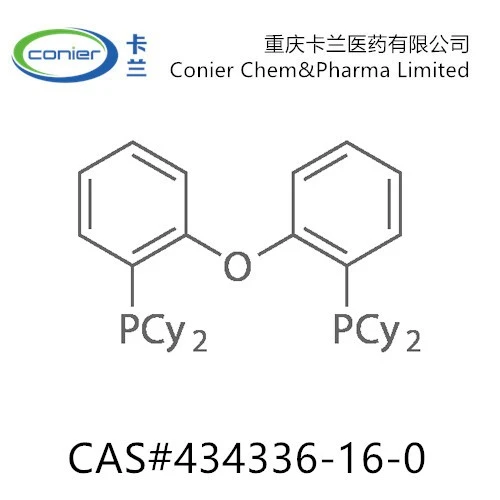
Another compound is the compound with the CAS number 434336 - 16 - 0 (/fine - chemicals/434336 - 16 - 0.html). Without knowing the exact structure of this compound, we can still assume that its chemical properties will be different from dibromomethane based on its unique molecular formula and structure. Different functional groups and atom arrangements lead to different reactivities, solubilities, and physical properties.
Our Supply as a Dibromomethane Supplier
As a dibromomethane supplier, we ensure that our product meets the highest quality standards. We have strict quality control measures in place to ensure the purity and consistency of our dibromomethane. Our dibromomethane is produced in state - of - the - art facilities using the latest manufacturing techniques.
We understand the importance of safety and proper handling of chemicals. That's why we provide detailed safety data sheets (SDS) with every shipment of dibromomethane. These SDS contain information on the chemical properties, hazards, and handling procedures of dibromomethane, helping our customers use the product safely and effectively.
If you're in the market for dibromomethane for your industrial, research, or manufacturing needs, we'd love to hear from you. Whether you need a small quantity for a research project or a large volume for industrial production, we can supply you with the right amount at a competitive price. Contact us to start a procurement discussion and let's see how we can meet your dibromomethane requirements.
References
- "Organic Chemistry" by Paula Yurkanis Bruice
- "Handbook of Chemistry and Physics"
So, there you have it - a comprehensive look at the chemical properties of dibromomethane. I hope this blog has been informative and helpful for you. If you have any more questions about dibromomethane or our supply, feel free to reach out.