

Carbon-based new materials have emerged as a revolutionary class of substances with a wide range of applications across various industries. As a leading supplier of new materials, I am excited to delve into the diverse and impactful uses of these innovative carbon-based compounds.
Electronics and Semiconductor Industry
In the electronics and semiconductor industry, carbon-based new materials play a crucial role in enhancing device performance and enabling the development of next-generation technologies. Graphene, a single layer of carbon atoms arranged in a hexagonal lattice, is one of the most promising carbon-based materials in this field. Its exceptional electrical conductivity, high electron mobility, and mechanical strength make it an ideal candidate for applications such as flexible displays, high-speed transistors, and energy storage devices.
For example, graphene-based transistors have the potential to significantly improve the speed and efficiency of electronic devices. By replacing traditional silicon-based transistors with graphene transistors, we can achieve faster data processing and lower power consumption. Additionally, graphene's flexibility and transparency make it suitable for use in flexible displays, which are becoming increasingly popular in the consumer electronics market.
Another carbon-based material with great potential in the electronics industry is carbon nanotubes (CNTs). CNTs are cylindrical structures made of carbon atoms, and they exhibit excellent electrical, thermal, and mechanical properties. They can be used as conductive fillers in polymers to enhance their electrical conductivity, making them suitable for applications such as electromagnetic shielding and antistatic packaging. CNTs can also be used in the fabrication of high-performance batteries and supercapacitors, which are essential for the development of electric vehicles and renewable energy systems.
Energy Storage and Conversion
Carbon-based new materials are also widely used in energy storage and conversion applications. Lithium-ion batteries, which are commonly used in portable electronics and electric vehicles, rely on carbon-based materials as anode materials. Graphite, a well-known carbon allotrope, is the most commonly used anode material in lithium-ion batteries due to its high theoretical capacity and good cycling stability.
However, researchers are constantly exploring new carbon-based materials to improve the performance of lithium-ion batteries. For example, graphene and CNTs have been investigated as potential anode materials due to their high surface area, excellent electrical conductivity, and ability to accommodate lithium ions. These materials can potentially increase the energy density and charging/discharging rate of lithium-ion batteries, making them more suitable for high-power applications.
In addition to lithium-ion batteries, carbon-based materials are also used in fuel cells, which are electrochemical devices that convert chemical energy into electrical energy. Carbon-based catalysts, such as carbon-supported platinum nanoparticles, are commonly used in fuel cells to facilitate the electrochemical reactions. Graphene and CNTs have also been explored as alternative catalyst supports due to their high surface area and excellent electrical conductivity, which can improve the catalytic activity and durability of fuel cells.
Aerospace and Defense
The aerospace and defense industries require materials with high strength, low weight, and excellent thermal and chemical resistance. Carbon-based new materials, such as carbon fiber composites, meet these requirements and are widely used in aircraft, spacecraft, and military equipment.

Carbon fiber composites are made by combining carbon fibers with a polymer matrix. The carbon fibers provide high strength and stiffness, while the polymer matrix protects the fibers and transfers the load between them. These composites have a high strength-to-weight ratio, which makes them ideal for use in aerospace structures, such as wings, fuselages, and tail sections. They can also reduce the weight of aircraft, which in turn improves fuel efficiency and reduces emissions.
In addition to carbon fiber composites, other carbon-based materials, such as carbon foams and carbon aerogels, are also used in the aerospace and defense industries. Carbon foams have a low density and high porosity, which makes them suitable for use in thermal insulation and energy absorption applications. Carbon aerogels are highly porous materials with a large surface area, which makes them suitable for use in gas storage and adsorption applications.
Environmental and Sustainability
Carbon-based new materials also have important applications in environmental and sustainability fields. Activated carbon, a porous carbon material, is widely used in water and air purification processes. Its high surface area and porous structure allow it to adsorb a wide range of pollutants, such as heavy metals, organic compounds, and gases. Activated carbon can be used in water treatment plants to remove contaminants from drinking water, and it can also be used in air filters to remove pollutants from indoor and outdoor air.
Another carbon-based material with potential environmental applications is biochar. Biochar is a carbon-rich material produced by the pyrolysis of biomass, such as wood, agricultural waste, and manure. It can be used as a soil amendment to improve soil fertility, water retention, and carbon sequestration. Biochar can also be used in wastewater treatment to remove contaminants and reduce the environmental impact of agricultural and industrial activities.
Other Applications
In addition to the above-mentioned applications, carbon-based new materials have a wide range of other applications. For example, they can be used in the medical field for drug delivery, tissue engineering, and biosensing. Carbon-based nanomaterials, such as graphene oxide and carbon dots, have unique optical and electrical properties, which make them suitable for use in biosensors and imaging agents.
Carbon-based materials can also be used in the automotive industry for lightweighting and improving fuel efficiency. Carbon fiber composites can be used to replace traditional steel and aluminum components in cars, which can reduce the weight of the vehicle and improve its performance. Additionally, carbon-based materials can be used in the construction industry for the development of high-strength and sustainable building materials.
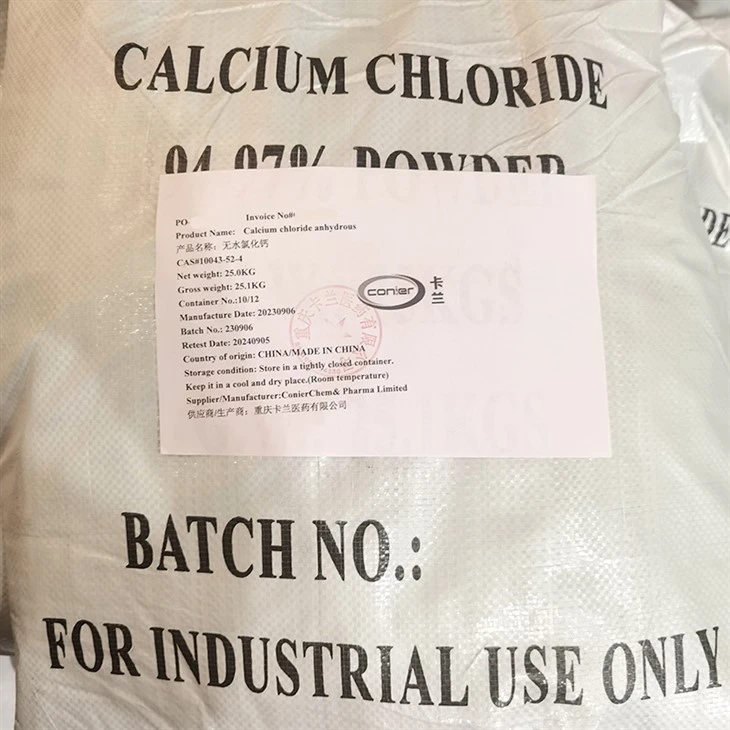
As a new material supplier, we offer a wide range of carbon-based new materials to meet the diverse needs of our customers. Our products include 109-43-3 Dibutyl Sebacate, 1641-17-4 2-hydroxy-4-methoxy-4'-methylbenzophenone, and 10043-52-4 Calcium Chloride. These materials have been carefully selected for their high quality and performance, and they can be used in a variety of applications, including electronics, energy storage, aerospace, and environmental protection.
If you are interested in learning more about our carbon-based new materials or have any specific requirements, please feel free to contact us for procurement and negotiation. We are committed to providing our customers with the best products and services, and we look forward to working with you to achieve your goals.
References
- Dresselhaus, M. S., Dresselhaus, G., & Avouris, P. (Eds.). (2001). Carbon nanotubes: synthesis, structure, properties, and applications. Springer Science & Business Media.
- Geim, A. K., & Novoselov, K. S. (2007). The rise of graphene. Nature materials, 6(3), 183-191.
- Li, Y., & Shi, G. (2012). Graphene-based materials for energy storage. Chemical Society Reviews, 41(14), 4790-4802.
- Zhang, M., & Fang, D. (2013). Carbon nanotubes in electrochemistry. Chemical Society Reviews, 42(10), 4277-4291.
