

Fine chemicals are a distinct category of chemical substances known for their high purity, specific functionality, and often complex synthesis processes. As a fine chemicals supplier, I have witnessed firsthand the diverse applications and significance of these remarkable compounds across various industries. In this blog post, I aim to delve into what fine chemicals are, their unique characteristics, and their wide - ranging uses.
Defining Fine Chemicals
Fine chemicals are single, pure chemical substances produced in relatively small quantities compared to bulk chemicals. They are typically manufactured through multi - step chemical synthesis, which requires precise control of reaction conditions, high - level expertise, and advanced manufacturing techniques. Unlike bulk chemicals, which are produced in large volumes for general industrial use, fine chemicals are tailored to meet specific customer requirements and are often used as ingredients in high - value end - products.
Characteristics of Fine Chemicals
High Purity
One of the defining features of fine chemicals is their high purity. Purity levels can often exceed 90% and sometimes reach over 99%. This high degree of purity is crucial because even small impurities can significantly affect the performance of the end - product. For example, in the pharmaceutical industry, a single impurity in a drug substance can lead to adverse side effects or reduced efficacy.

Specific Functionality
Fine chemicals are designed to perform specific functions. They can act as catalysts, intermediates, or active ingredients in a wide range of products. For instance, catalysts are used to speed up chemical reactions in the production of various materials. Intermediates are compounds that are further processed to make more complex chemicals. And active ingredients are the key components that provide the desired effect in products such as medications, cosmetics, and agrochemicals.
Complex Synthesis
The synthesis of fine chemicals is often a complex and multi - step process. It may involve the use of specialized reagents, solvents, and reaction conditions. Chemists need to have a deep understanding of organic, inorganic, and physical chemistry to design and execute these syntheses successfully. This complexity also means that the production of fine chemicals requires more time, resources, and expertise compared to bulk chemicals.
Applications of Fine Chemicals
Pharmaceutical Industry
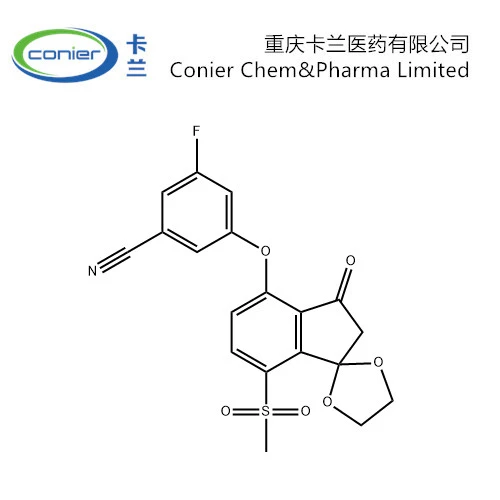
The pharmaceutical industry is one of the largest consumers of fine chemicals. Fine chemicals are used as active pharmaceutical ingredients (APIs) or as intermediates in the synthesis of APIs. For example, many antibiotics, anti - cancer drugs, and cardiovascular medications are based on fine chemicals. The high purity and specific functionality of these chemicals are essential for ensuring the safety and efficacy of drugs. A well - known fine chemical in the pharmaceutical field is 1672668 - 41 - 5, which may be used in the development of new drugs.
Agrochemical Industry
In the agrochemical industry, fine chemicals are used to produce pesticides, herbicides, and fertilizers. These chemicals help to increase crop yields, protect plants from pests and diseases, and improve soil fertility. For example, some fine chemicals act as insecticides by targeting specific enzymes or receptors in insects, while others are used as plant growth regulators. 25168 - 73 - 4 Sucrose Stearate is a fine chemical that can be used in agrochemical formulations to improve the stability and performance of the products.
Cosmetics Industry
Fine chemicals play a vital role in the cosmetics industry. They are used as active ingredients, preservatives, emulsifiers, and fragrances. For example, antioxidants are fine chemicals that can protect the skin from free - radical damage, while emollients help to keep the skin soft and smooth. Many natural and synthetic fine chemicals are used to create high - quality cosmetics products with specific benefits for different skin types.
Chemical Manufacturing
Fine chemicals are also used as catalysts and intermediates in the chemical manufacturing process. Catalysts can speed up chemical reactions, reduce energy consumption, and improve the selectivity of reactions. For example, 14694 - 95 - 2 Tris(triphenylphosphine)chlororhodium is a well - known catalyst used in various organic synthesis reactions. Intermediates are used to build more complex molecules, which are then used in the production of plastics, polymers, and other chemical products.
Quality Control in Fine Chemicals Production
As a fine chemicals supplier, ensuring high - quality products is of utmost importance. Quality control starts from the raw materials and continues throughout the entire production process. We use advanced analytical techniques such as high - performance liquid chromatography (HPLC), gas chromatography - mass spectrometry (GC - MS), and nuclear magnetic resonance (NMR) spectroscopy to analyze the purity, identity, and quality of our fine chemicals.
We also follow strict manufacturing standards and procedures. Our production facilities are equipped with state - of - the - art equipment and are regularly inspected to ensure compliance with industry regulations. This commitment to quality is what allows us to provide our customers with reliable and consistent fine chemicals.
Challenges in the Fine Chemicals Industry
Despite the many opportunities in the fine chemicals industry, there are also several challenges. One of the main challenges is the high cost of production. The complex synthesis processes, strict quality control requirements, and the need for specialized equipment all contribute to the high cost. Additionally, environmental regulations are becoming increasingly strict, which requires fine chemicals manufacturers to invest in environmentally friendly production methods.
Another challenge is the competition in the market. There are many fine chemicals suppliers worldwide, and companies need to differentiate themselves through product quality, innovation, and customer service. To stay competitive, we are constantly investing in research and development to improve our synthesis processes, develop new products, and meet the changing needs of our customers.
Conclusion
Fine chemicals are an essential part of modern industry, with applications in pharmaceuticals, agrochemicals, cosmetics, and chemical manufacturing. Their high purity, specific functionality, and complex synthesis processes make them unique and valuable. As a fine chemicals supplier, we are committed to providing high - quality products that meet the strict requirements of our customers.
If you are interested in purchasing fine chemicals for your specific needs, we invite you to contact us for further discussion and procurement negotiation. Our team of experts is ready to assist you in finding the right fine chemicals and providing you with the best solutions.
References
- Carey, F. A., & Sundberg, R. J. (2007). Advanced Organic Chemistry: Part A: Structure and Mechanisms. Springer.
- Smith, M. B., & March, J. (2007). March's Advanced Organic Chemistry: Reactions, Mechanisms, and Structure. Wiley.
- Kirk - Othmer Encyclopedia of Chemical Technology. Wiley.
