

As a provider of Mpeg - pald(mal) videos, I often receive inquiries from clients about how to adjust the saturation of these videos. Saturation plays a crucial role in video quality, as it determines the intensity and vividness of colors. In this blog, I will share some effective methods to adjust the saturation of Mpeg - pald(mal) videos.
Understanding Saturation in Mpeg - pald(mal) Videos
Before delving into the adjustment methods, it's essential to understand what saturation means in the context of Mpeg - pald(mal) videos. Saturation refers to the purity or intensity of a color. A highly saturated color appears vivid and bright, while a desaturated color looks more muted and grayish. In Mpeg - pald(mal) videos, proper saturation can enhance the visual appeal, making the video more engaging and immersive for the viewers.
Methods to Adjust Saturation
Using Video Editing Software
One of the most common and effective ways to adjust the saturation of an Mpeg - pald(mal) video is by using video editing software. There are numerous software options available in the market, both free and paid, each with its own set of features and capabilities.

Adobe Premiere Pro
Adobe Premiere Pro is a professional - grade video editing software widely used in the industry. To adjust the saturation in Premiere Pro, follow these steps:
- Import your Mpeg - pald(mal) video into the project.
- Drag the video clip onto the timeline.
- Select the clip on the timeline and go to the "Effect Controls" panel.
- Look for the "Color Balance (HLS)" effect. You can add it to the clip by double - clicking on it.
- In the "Color Balance (HLS)" effect settings, find the "Saturation" slider. Move the slider to the right to increase the saturation or to the left to decrease it.
- Preview the changes in the program monitor and make further adjustments as needed.
DaVinci Resolve
DaVinci Resolve is another powerful video editing and color grading software. It offers advanced color correction tools, making it ideal for adjusting saturation. Here's how you can do it:
- Import your Mpeg - pald(mal) video into DaVinci Resolve.
- Place the clip on the timeline.
- Switch to the "Color" page.
- In the color correction panel, select the "HSL Secondary" or "HSL Primary" tool, depending on whether you want to adjust the overall saturation or specific color ranges.
- Locate the "Saturation" parameter and use the sliders or numerical input fields to adjust the saturation level.
- Continuously preview the changes and refine the settings until you achieve the desired result.
Online Video Editors
If you don't have access to professional video editing software or prefer a more straightforward solution, online video editors can be a great option. Websites like Kapwing, Clipchamp, and WeVideo offer basic video editing features, including saturation adjustment.
- Upload your Mpeg - pald(mal) video to the online editor.
- Look for the "Color" or "Adjust" section in the editor's toolbar.
- Find the saturation adjustment option, usually represented by a slider.
- Move the slider to change the saturation level and preview the changes in real - time.
- Once you're satisfied with the result, export the edited video.
Factors to Consider When Adjusting Saturation
Content and Genre
The appropriate saturation level depends on the content and genre of the video. For example, a nature documentary might benefit from high saturation to showcase the vibrant colors of the natural world, while a black - and - white or vintage - style video may require low saturation or desaturation for a more authentic look.
Audience Preferences
Consider the preferences of your target audience. Some viewers may prefer more vivid and saturated colors, while others may find overly saturated videos distracting. Conducting user research or analyzing the feedback from previous videos can help you determine the optimal saturation level for your audience.
Compatibility
Ensure that the adjusted saturation is compatible with the playback devices and platforms. Different devices may display colors differently, so it's important to test the video on multiple devices to ensure consistent color reproduction.
Chemical Aspects in Video Processing (Related Links)
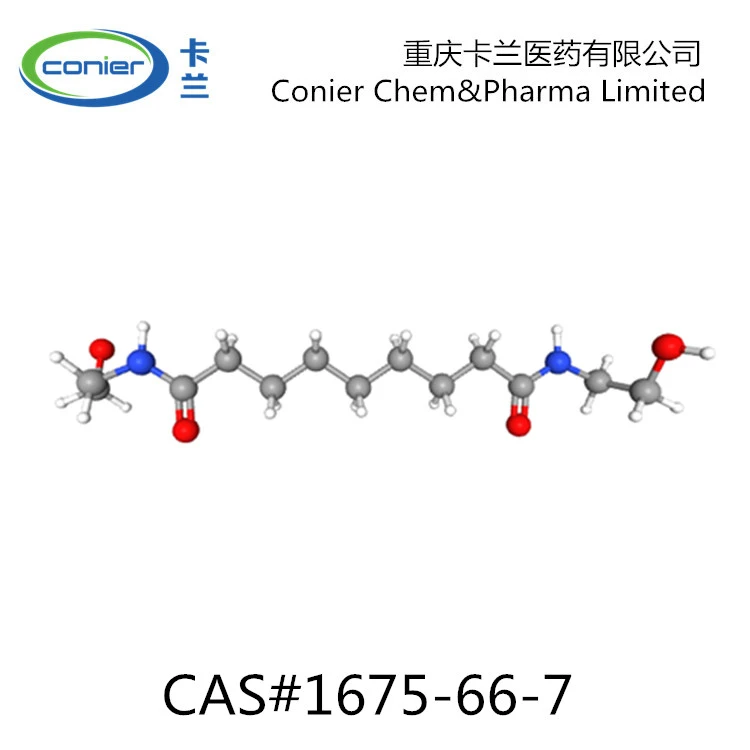
In the field of video processing, certain chemicals and compounds can play a role in the production and quality enhancement of videos. For example, some chemicals are used in the manufacturing of display devices that affect color accuracy and saturation. You can find more information about relevant chemicals such as 1675 - 66 - 7, 5720 - 06 - 9 2 - Methoxyphenylboronic Acid, and 36620 - 11 - 8 Bis(norbornadiene)rhodium(I) Tetrafluoroborate on the provided links.
Conclusion
Adjusting the saturation of an Mpeg - pald(mal) video is an important step in enhancing its visual quality. Whether you choose to use professional video editing software or online editors, the key is to understand the concept of saturation and how it affects the overall look of the video. By considering factors such as content, audience preferences, and compatibility, you can achieve the optimal saturation level for your video.
If you're interested in high - quality Mpeg - pald(mal) videos or have any questions regarding saturation adjustment or other video - related issues, feel free to reach out to us for a procurement discussion. We are committed to providing you with the best solutions and support in the video industry.
References
- Adobe Premiere Pro User Guide.
- DaVinci Resolve Documentation.
- Online video editor help sections (Kapwing, Clipchamp, WeVideo).
