

Hey there! As a supplier of Mpeg - pald(mal) videos, I often get asked about how to adjust the hue of these types of videos. Hue is a super important aspect of video color correction as it can totally transform the mood and overall look of your video. So, let's dive right into it and explore some ways to get that perfect hue for your Mpeg - pald(mal) video.
First off, it's crucial to understand what hue actually is. Hue refers to the pure color of an object, like red, blue, or green. In a video, adjusting the hue can make the colors more vibrant, shift them towards different color spectrums, or even create a specific mood. For example, a warm hue can give a video a cozy, inviting feel, while a cool hue might make it seem more mysterious or futuristic.
One of the most common ways to adjust the hue of an Mpeg - pald(mal) video is by using video editing software. There are tons of great options out there, both free and paid. Programs like Adobe Premiere Pro, Final Cut Pro, and DaVinci Resolve are all powerful tools that allow you to manipulate the hue of your video with ease.

Let's take Adobe Premiere Pro as an example. Once you've imported your Mpeg - pald(mal) video into the software, you can access the color correction tools. Look for the "Color" panel, which usually has a range of options for adjusting hue, saturation, and luminance. To adjust the hue, you'll typically find a hue slider. Moving this slider to the left or right will shift the colors in your video along the color wheel. It's a pretty intuitive process, and you can see the changes in real - time as you make adjustments.
Another option is to use plugins. There are many third - party plugins available that are specifically designed for color correction and can offer more advanced hue adjustment features. Some popular plugins include FilmConvert, which is great for achieving a film - like look and has precise hue control options. These plugins can add a lot of flexibility to your hue adjustment process and allow you to create more unique and professional - looking results.
If you're on a budget or prefer a simpler approach, there are also free video editing apps that can help you adjust the hue. For instance, Shotcut is a free and open - source video editor that has basic color correction tools, including hue adjustment. It might not have all the bells and whistles of the more expensive software, but it can still get the job done for basic hue adjustments.
Now, let's talk about some things to keep in mind when adjusting the hue. First, it's important not to overdo it. Too much of a hue shift can make your video look unnatural and unappealing. It's always a good idea to make small, incremental adjustments and preview the video as you go. This way, you can ensure that the final result looks balanced and visually pleasing.
Also, consider the content of your video. Different types of videos might require different hue settings. For example, a nature documentary might benefit from a more natural - looking hue adjustment to enhance the beauty of the scenery, while a music video could have more creative and bold hue changes to match the energy of the music.
In addition to software - based methods, there are also hardware solutions for hue adjustment. Some professional video monitors come with built - in color calibration features that allow you to adjust the hue of the video you're watching. This can be useful if you want to get a more accurate representation of the final color output, especially if you're working on a project that requires high - quality color accuracy.
When it comes to the technical aspects of Mpeg - pald(mal) videos, understanding the color space is essential. Mpeg - pald(mal) videos typically use a specific color space, and any hue adjustment should take this into account. If you're not careful, you might end up with color distortion or other issues. Make sure to check the color space settings in your video editing software and adjust them accordingly to ensure a seamless hue adjustment process.
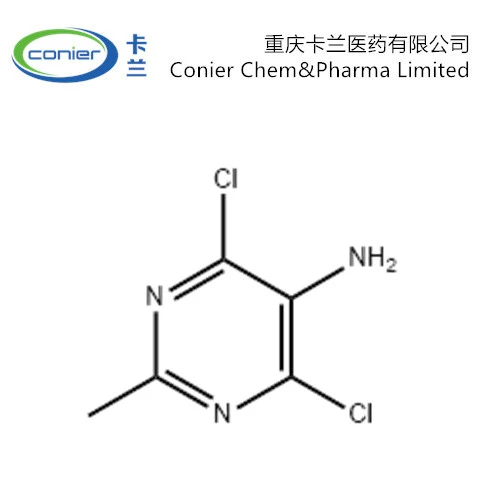
Let's take a moment to mention some related products that might be of interest. If you're involved in the video production industry, you might also be interested in chemicals used in the process. For example, 39906 - 04 - 2 5 - Amino - 4,6 - dichloro - 2 - methylpyrimidine and 25186 - 47 - 4 3,5 - DICHLOROTONE are fine chemicals that could potentially be used in certain video - related processes. And 8002 - 43 - 5 Lecithin might also have applications in the industry.
To sum it up, adjusting the hue of an Mpeg - pald(mal) video can be a fun and rewarding process. Whether you're using software, plugins, or hardware, there are plenty of ways to achieve the perfect hue for your video. Just remember to take it slow, consider the content of your video, and be aware of the technical aspects.
If you're interested in purchasing Mpeg - pald(mal) videos or have any questions about hue adjustment or our products, feel free to reach out. We're here to help you create amazing videos with the best possible color quality.
References:
- Adobe Premiere Pro User Guide
- DaVinci Resolve Documentation
- Final Cut Pro Tutorials
