

Dibromomethane, also known as methylene dibromide, is a colorless, heavy liquid with a sweet odor. It is widely used in various industries, including organic synthesis, as a solvent, and in the production of pharmaceuticals and agrochemicals. As a dibromomethane supplier, ensuring the purity of our product is of utmost importance. In this blog post, we will explore the methods used to determine the purity of dibromomethane.
Chromatographic Methods
Gas Chromatography (GC)
Gas chromatography is one of the most commonly used methods for determining the purity of dibromomethane. This technique separates the components of a sample based on their volatility and affinity for the stationary phase in the column. In the case of dibromomethane, a capillary column coated with a non - polar stationary phase, such as polydimethylsiloxane, is often used.
The sample is injected into the gas chromatograph, where it is vaporized and carried through the column by an inert gas, usually helium. As the components of the sample move through the column, they interact differently with the stationary phase, causing them to separate. The separated components are then detected by a detector, such as a flame ionization detector (FID) or a mass spectrometer (MS).
The area under each peak in the chromatogram corresponds to the amount of each component in the sample. By comparing the area of the dibromomethane peak to the total area of all the peaks, the purity of the dibromomethane can be calculated. For example, if the area of the dibromomethane peak is 98% of the total area, the purity of the dibromomethane is approximately 98%.
GC is a highly sensitive and accurate method for determining the purity of dibromomethane. It can detect impurities at very low levels, down to parts per million (ppm). However, it requires specialized equipment and trained personnel to operate.
High - Performance Liquid Chromatography (HPLC)
High - performance liquid chromatography can also be used to determine the purity of dibromomethane, especially when the sample contains non - volatile or thermally unstable impurities. In HPLC, the sample is dissolved in a liquid mobile phase and pumped through a column packed with a stationary phase.
The separation mechanism in HPLC is based on the interaction between the sample components and the stationary phase. Different types of stationary phases can be used, depending on the nature of the sample. For example, a reversed - phase column with a C18 stationary phase is commonly used for the analysis of organic compounds.

The separated components are detected by a detector, such as a UV - Vis detector or a refractive index detector. Similar to GC, the purity of dibromomethane can be calculated by comparing the area of the dibromomethane peak to the total area of all the peaks in the chromatogram.
HPLC is a versatile method that can be used for a wide range of samples. It is less sensitive to the volatility and thermal stability of the sample compared to GC. However, it may require longer analysis times and more complex sample preparation.
Spectroscopic Methods
Nuclear Magnetic Resonance (NMR)
Nuclear magnetic resonance spectroscopy is a powerful technique for determining the structure and purity of organic compounds, including dibromomethane. NMR measures the magnetic properties of atomic nuclei in a molecule.
In the case of dibromomethane, ¹H NMR and ¹³C NMR can be used. The ¹H NMR spectrum of dibromomethane shows a single peak due to the two equivalent hydrogen atoms. Any impurities in the sample will show additional peaks in the spectrum. By comparing the intensity of the dibromomethane peak to the total intensity of all the peaks, the purity of dibromomethane can be estimated.
¹³C NMR can also provide valuable information about the structure and purity of dibromomethane. The ¹³C NMR spectrum of dibromomethane shows a single peak for the carbon atom. Impurities will cause additional peaks to appear in the spectrum.
NMR is a non - destructive method that can provide detailed structural information about the sample. However, it requires relatively large amounts of sample and expensive equipment.
Infrared (IR) Spectroscopy
Infrared spectroscopy measures the absorption of infrared radiation by a molecule. Different functional groups in a molecule absorb infrared radiation at characteristic frequencies.
The IR spectrum of dibromomethane shows characteristic absorption bands due to the C - H and C - Br bonds. By comparing the IR spectrum of the sample to the spectrum of a pure dibromomethane standard, the presence of impurities can be detected. For example, if there are additional absorption bands in the spectrum, it may indicate the presence of impurities with different functional groups.
IR spectroscopy is a relatively simple and fast method for detecting impurities in dibromomethane. However, it is less accurate than chromatographic methods for determining the exact purity of the sample.
Other Methods
Melting Point and Boiling Point Determination
The melting point and boiling point of a pure compound are well - defined physical properties. Dibromomethane has a melting point of - 52 °C and a boiling point of 96 - 98 °C.
If the sample contains impurities, the melting point will be lower and the boiling point will be higher than the values for pure dibromomethane. By measuring the melting point and boiling point of the sample and comparing them to the literature values, the purity of dibromomethane can be estimated.
However, this method is relatively crude and is mainly used as a preliminary test. It is not very sensitive to small amounts of impurities.
Density Measurement
The density of dibromomethane is 2.497 g/cm³ at 20 °C. Measuring the density of the sample can provide an indication of its purity. If the density of the sample is significantly different from the literature value, it may indicate the presence of impurities.
Density measurement is a simple and quick method, but it is not very specific and can be affected by factors such as temperature and the presence of dissolved gases.
As a dibromomethane supplier, we use a combination of these methods to ensure the high purity of our product. We understand that the purity of dibromomethane is crucial for its performance in various applications. Whether you are involved in organic synthesis, pharmaceutical production, or other industries, you can rely on our high - quality dibromomethane.
If you are interested in purchasing dibromomethane or have any questions about its purity and quality, please feel free to contact us for further discussion and negotiation. We are committed to providing you with the best products and services.
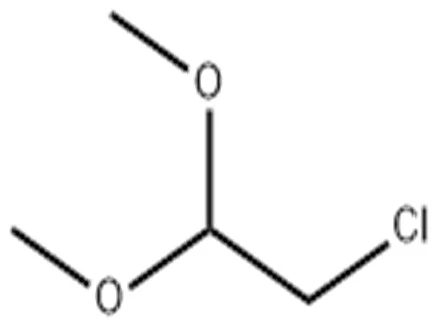
During our quality control process, we also pay attention to the potential presence of related compounds. For example, compounds like 1189429 - 92 - 2 1 - Bromo - 3,5 - dimethyladamantane - d6, 97 - 97 - 2 Chloroacetaldehyde Dimethyl Acetal, and 17145 - 91 - 4 may be present as impurities in some cases. Our advanced analytical methods can effectively detect and quantify these impurities to ensure the high - grade purity of our dibromomethane.
References
- Skoog, D. A., West, D. M., Holler, F. J., & Crouch, S. R. (2013). Fundamentals of Analytical Chemistry. Cengage Learning.
- McMurry, J. (2015). Organic Chemistry. Cengage Learning.
- Silverstein, R. M., Webster, F. X., & Kiemle, D. J. (2014). Spectrometric Identification of Organic Compounds. Wiley.
