

Hey there! As a supplier of fine chemicals, I've seen firsthand how these little wonders can significantly boost mineral processing efficiency. In this blog, I'm gonna break down exactly how fine chemicals play a crucial role in making the mineral processing industry more productive and cost - effective.
Understanding Mineral Processing
First off, let's quickly go over what mineral processing is. It's the process of separating valuable minerals from the ore. This involves a series of steps like crushing, grinding, and then separating the minerals through various techniques such as flotation, magnetic separation, and gravity separation. The goal is to get the purest form of the desired mineral with the least amount of waste.
The Role of Fine Chemicals in Mineral Processing
1. Flotation Agents
Flotation is one of the most common methods in mineral processing. It relies on the differences in the surface properties of minerals. Fine chemicals are used as flotation agents to make the desired minerals hydrophobic (water - repelling) so they can attach to air bubbles and rise to the surface.
For example, collectors are a type of flotation agent. They selectively bind to the surface of the target minerals. Xanthates are well - known collectors. They react with metal ions on the mineral surface, creating a hydrophobic layer. Another important type of flotation agent is frothers. Frothers help to create a stable foam layer on the surface of the flotation cell. This foam traps the hydrophobic minerals and allows them to be easily skimmed off.
We offer a wide range of fine chemicals that can be used as flotation agents. Take 79 - 14 - 1 Glycolic Acid for instance. It can be used in some flotation processes to adjust the pH and surface properties of the minerals, enhancing the selectivity of the flotation.
2. Depressants
Depressants are another class of fine chemicals used in mineral processing. Their job is to prevent certain minerals from floating during the flotation process. This is important when you have multiple minerals in the ore and you only want to extract one or a few of them.
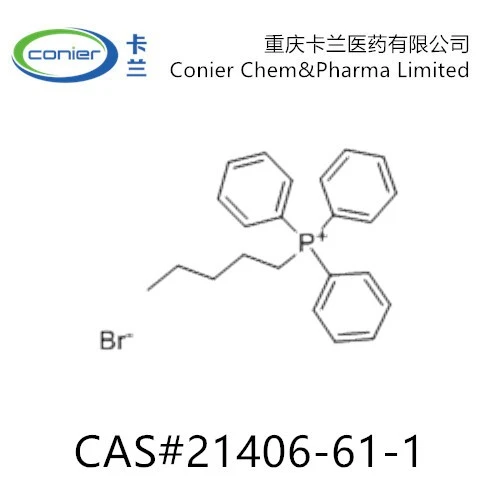

For example, in the flotation of copper - zinc ores, zinc minerals can be depressed using chemicals like sodium cyanide or zinc sulfate. By using depressants, we can improve the purity of the final product. Our 21406 - 61 - 1 Pentyltriphenylphosphonium Bromide can potentially be used as a depressant in some specific mineral processing scenarios, altering the surface charge of unwanted minerals and preventing them from attaching to the collectors.
3. Grinding Aids
Grinding is an energy - intensive step in mineral processing. Fine chemicals can be used as grinding aids to reduce the energy consumption and improve the grinding efficiency. Grinding aids work by reducing the surface tension between the particles and the grinding media, allowing for easier breakage of the particles.
They also prevent the agglomeration of fine particles, which can slow down the grinding process. Some common grinding aids include alcohols, amines, and organic acids. Our 1635 - 61 - 6 5 - chloro - 2 - nitroaniline can potentially be used in the development of new grinding aid formulations, as its chemical structure may interact with the mineral particles and grinding media in a beneficial way.
Benefits of Using Fine Chemicals in Mineral Processing
1. Higher Recovery Rates
By using the right fine chemicals, we can increase the recovery rate of valuable minerals. For example, in the flotation process, better - performing collectors and depressants can ensure that more of the target minerals are separated from the ore. This means less valuable minerals are lost in the waste, which is a huge win for the mining companies.
2. Improved Product Quality
Fine chemicals help to improve the purity of the final mineral product. Depressants can prevent the unwanted minerals from being included in the concentrate, resulting in a higher - quality product. This is especially important in industries where the purity of the minerals is crucial, such as the electronics and aerospace industries.
3. Energy Savings
As mentioned earlier, grinding aids can significantly reduce the energy consumption during the grinding process. Since grinding is one of the most energy - intensive steps in mineral processing, any reduction in energy use can lead to substantial cost savings. This also makes the mineral processing industry more environmentally friendly.
4. Cost - Effectiveness
Although fine chemicals do have a cost associated with them, the overall cost - effectiveness is high. The increased recovery rates, improved product quality, and energy savings more than offset the cost of the chemicals. In the long run, using fine chemicals can lead to a more profitable mineral processing operation.
Case Studies
Let's take a look at a couple of real - world examples to see how fine chemicals have made a difference in mineral processing.
In a copper mine, the use of a new type of collector fine chemical led to a 10% increase in the copper recovery rate. This was achieved by better selectivity in the flotation process, allowing more copper minerals to be separated from the gangue. The mine also saw an improvement in the grade of the copper concentrate, which meant higher prices in the market.
In a gold processing plant, the addition of a grinding aid reduced the energy consumption during grinding by 15%. This not only saved on electricity costs but also increased the throughput of the grinding mill, resulting in more gold being processed in the same amount of time.
Conclusion
Fine chemicals are truly game - changers in the mineral processing industry. They offer a wide range of benefits, from increasing recovery rates and improving product quality to saving energy and reducing costs. As a fine chemicals supplier, we're committed to providing high - quality products that can help mineral processing companies achieve their goals.
If you're in the mineral processing industry and looking to improve your efficiency, we'd love to talk to you. Our team of experts can help you find the right fine chemicals for your specific needs. Whether you're dealing with copper, gold, zinc, or any other mineral, we have the solutions. So, don't hesitate to reach out and start a conversation about how we can work together to take your mineral processing operations to the next level.
References
- Smith, J. (2020). "Advances in Mineral Processing Chemicals". Mining Journal.
- Johnson, A. (2019). "The Role of Fine Chemicals in Flotation Processes". Mineral Processing Review.
- Brown, C. (2021). "Energy - Saving Strategies in Mineral Grinding with Chemical Aids". Journal of Sustainable Mining.
