

Bio - chemicals have emerged as a revolutionary solution in waste treatment, offering sustainable and efficient alternatives to traditional methods. As a leading bio - chemicals supplier, I have witnessed firsthand the transformative power of these substances in the waste management industry. In this blog, I will explore how bio - chemicals work in waste treatment, highlighting their mechanisms, benefits, and real - world applications.
Understanding Bio - chemicals
Bio - chemicals are natural or biologically derived substances that are used to facilitate various chemical processes. They are typically produced from renewable resources such as plants, animals, and microorganisms. These substances can be enzymes, bacteria, fungi, or other organic compounds that have specific chemical properties and functions.

One of the key advantages of bio - chemicals is their environmental friendliness. Unlike many synthetic chemicals, bio - chemicals are biodegradable, non - toxic, and have a lower carbon footprint. This makes them an ideal choice for waste treatment, where minimizing environmental impact is crucial.
Mechanisms of Bio - chemicals in Waste Treatment
1. Biodegradation
Biodegradation is one of the primary mechanisms by which bio - chemicals work in waste treatment. Enzymes, for example, are biological catalysts that can break down complex organic molecules into simpler ones. In waste treatment, enzymes can target specific types of waste, such as fats, proteins, and carbohydrates, and accelerate their decomposition.
For instance, lipase enzymes can break down fats and oils into fatty acids and glycerol. This is particularly useful in treating waste from the food industry, where large amounts of oil and grease are generated. By using lipase - based bio - chemicals, these substances can be efficiently degraded, reducing the volume of waste and preventing blockages in pipes and sewer systems.
Bacteria and fungi also play a significant role in biodegradation. They can consume organic matter as a source of energy and nutrients, converting it into carbon dioxide, water, and biomass. Some bacteria are capable of degrading even the most complex organic pollutants, such as polycyclic aromatic hydrocarbons (PAHs) and pesticides. This ability makes them valuable tools in the treatment of industrial waste and contaminated soil.
2. Bio - flocculation
Bio - flocculation is another important mechanism in waste treatment. Certain bio - chemicals, such as polysaccharides and proteins produced by bacteria, can act as flocculants. Flocculants are substances that cause small particles in a suspension to clump together into larger aggregates, or flocs.
In waste water treatment, bio - flocculation can help to separate solid particles from the liquid phase. By adding bio - flocculants to waste water, the suspended solids can be made to settle more quickly, improving the efficiency of sedimentation and filtration processes. This not only reduces the turbidity of the water but also removes harmful pollutants, such as heavy metals and pathogens.
3. Bio - oxidation
Bio - oxidation involves the use of microorganisms to oxidize organic and inorganic substances in waste. Aerobic bacteria, for example, require oxygen to carry out their metabolic processes. When these bacteria are introduced into waste water or other waste materials, they can oxidize organic compounds, converting them into carbon dioxide and water.
This process is commonly used in activated sludge systems, where waste water is mixed with a suspension of aerobic bacteria. The bacteria consume the organic matter in the waste water, reducing its biochemical oxygen demand (BOD) and chemical oxygen demand (COD). Bio - oxidation can also be used to treat ammonia and other nitrogen - containing compounds in waste water, converting them into less harmful forms.
Specific Bio - chemicals and Their Applications
1. 86426 - 17 - 7 Meldonium
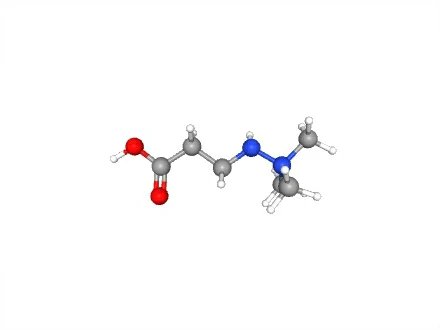
Meldonium, with the chemical formula C6H13NO4, has shown potential in waste treatment, particularly in the degradation of certain organic pollutants. It can enhance the metabolic activity of microorganisms involved in the biodegradation process. By promoting the growth and activity of these beneficial bacteria and fungi, meldonium can accelerate the breakdown of complex organic compounds in industrial waste and agricultural runoff.
2. 928 - 95 - 0 Trans - 2 - hexen - 1 - ol
Trans - 2 - hexen - 1 - ol is a natural compound found in many plants. In waste treatment, it can be used as a bio - surfactant. Bio - surfactants are surface - active agents that can reduce the surface tension between different phases, such as water and oil. This property makes trans - 2 - hexen - 1 - ol useful in the emulsification and removal of oil and grease from waste water. It can also enhance the solubility of hydrophobic pollutants, making them more accessible to biodegradation by microorganisms.
3. 13085 - 50 - 2 2'- deoxycytidine - 5'- monophosphate Disodium Salt
This bio - chemical can be used to stimulate the growth and activity of specific microorganisms in waste treatment systems. It provides essential nutrients for the bacteria and fungi involved in the biodegradation process, promoting their proliferation and enhancing their ability to break down organic waste. In addition, it can help to maintain the stability of the microbial community in waste treatment reactors, ensuring consistent and efficient waste degradation.
Benefits of Using Bio - chemicals in Waste Treatment
1. Environmental Sustainability
As mentioned earlier, bio - chemicals are biodegradable and have a lower environmental impact compared to synthetic chemicals. By using bio - chemicals in waste treatment, we can reduce the release of harmful pollutants into the environment, conserve natural resources, and promote a more sustainable waste management system.
2. Cost - Effectiveness
In the long run, bio - chemicals can be more cost - effective than traditional waste treatment methods. They often require less energy and infrastructure, and their use can reduce the need for expensive chemical additives and treatment processes. Additionally, bio - chemicals can improve the efficiency of waste treatment systems, reducing the volume of waste that needs to be disposed of and lowering disposal costs.
3. Versatility
Bio - chemicals can be used to treat a wide variety of waste types, including industrial waste, municipal waste water, agricultural waste, and contaminated soil. Their versatility makes them suitable for different waste treatment applications, from small - scale on - site treatment to large - scale industrial facilities.
Real - World Applications
Bio - chemicals are already being widely used in various waste treatment applications around the world. In the food and beverage industry, bio - chemicals are used to treat waste water containing high levels of organic matter, such as sugars, proteins, and fats. By using bio - enzymatic treatment systems, these industries can reduce their environmental impact and comply with strict waste water discharge regulations.
In the agricultural sector, bio - chemicals are used to treat manure and other agricultural waste. They can help to break down the organic matter in manure, reducing its odor and improving its nutrient value. This treated manure can then be used as a fertilizer, closing the nutrient cycle and reducing the need for synthetic fertilizers.
Contact for Procurement
If you are interested in exploring the use of bio - chemicals in your waste treatment processes, I encourage you to reach out. As a bio - chemicals supplier, I can provide you with high - quality products, technical support, and customized solutions to meet your specific waste treatment needs. Whether you are a small business or a large industrial facility, our bio - chemicals can offer you a sustainable and efficient way to manage your waste.
References
- Atlas, R. M., & Philp, J. C. (2005). Microbiology of petroleum hydrocarbons. Springer Science & Business Media.
- Madigan, M. T., Martinko, J. M., Bender, K. S., Buckley, D. H., & Stahl, D. A. (2015). Brock biology of microorganisms. Pearson.
- Metcalf, L. K., & Eddy, H. E. (2003). Wastewater engineering: treatment and reuse. McGraw - Hill.
