

Hey there! I'm a supplier of bio - chemicals, and today I'm gonna take you through how bio - chemicals are produced. It's a super interesting process that combines biology, chemistry, and a whole lot of innovation.
First off, let's understand what bio - chemicals are. Bio - chemicals are substances derived from living organisms or produced through biological processes. They're used in a wide range of industries, from pharmaceuticals to food and beverage, and even in some high - tech applications.
One of the most common ways to produce bio - chemicals is through fermentation. Fermentation is an age - old process that humans have been using for thousands of years, mainly for making bread, beer, and wine. But in the context of bio - chemical production, it's a bit more high - tech.
Here's how it works. We start with a microorganism, like bacteria or yeast. These little guys are like tiny factories. We choose the right microorganism based on the bio - chemical we want to produce. For example, if we're making ethanol, yeast is a great choice. Yeast has the ability to break down sugars and convert them into ethanol and carbon dioxide.

We put the microorganism in a big tank called a bioreactor. The bioreactor is like a controlled environment for the microorganisms. We have to make sure the temperature, pH, and nutrient levels are just right. The microorganisms need a good supply of nutrients, like sugars, nitrogen sources, and minerals, to grow and produce the bio - chemical.
As the microorganisms grow, they consume the nutrients and start producing the bio - chemical we're interested in. We constantly monitor the process to make sure everything is going smoothly. Once the production reaches the desired level, we separate the bio - chemical from the rest of the mixture in the bioreactor. This usually involves a series of purification steps, like filtration, distillation, and chromatography.
Another method of producing bio - chemicals is through enzymatic synthesis. Enzymes are proteins that act as catalysts in biological reactions. They can speed up chemical reactions without being consumed in the process.
In enzymatic synthesis, we use specific enzymes to convert raw materials into bio - chemicals. For example, we can use lipases, which are enzymes that break down fats, to produce fatty acid esters, which are important bio - chemicals used in the cosmetic and food industries.
We have to carefully select the enzymes based on the reaction we want to carry out. The reaction conditions, such as temperature and pH, also need to be optimized to ensure the enzymes work efficiently. Enzymatic synthesis has some advantages over fermentation. It can be more specific, meaning we can get a higher yield of the desired bio - chemical, and it can also be carried out under milder conditions, which is better for the environment.
Now, let me tell you about some of the bio - chemicals we supply. We have [6009 - 98 - 9 Taurochenodeoxycholic Acid Sodium Salt](https://yourwebsite.com/bio - chemicals/6009 - 98 - 9 - taurochenodeoxycholic - acid - sodium.html). This bio - chemical is used in the pharmaceutical industry. It has some important functions in the body, like helping with the digestion of fats. Our production process for this bio - chemical involves a combination of fermentation and purification steps to ensure high quality.
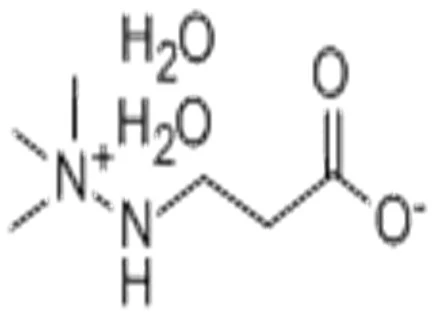
Another one is [86426 - 17 - 7 Meldonium](https://yourwebsite.com/bio - chemicals/86426 - 17 - 7 - meldonium.html). Meldonium is used in sports medicine and has some potential benefits for improving exercise performance. We produce it using a carefully controlled enzymatic synthesis process to get the purest form possible.
And then there's [36051 - 67 - 9 Inosine - 5 - triphosphoric Acid Sodium Salt](https://yourwebsite.com/bio - chemicals/36051 - 67 - 9 - inosine - 5 - triphosphoric - acid.html). This bio - chemical is used in the research field, especially in studies related to cellular energy metabolism. Our production of this compound involves a multi - step chemical and biological process to meet the strict quality requirements of the research community.
Quality control is a crucial part of bio - chemical production. We have a team of experts who are constantly checking the products at every stage of the production process. We use advanced analytical techniques, like high - performance liquid chromatography (HPLC) and mass spectrometry, to ensure the purity and quality of our bio - chemicals.
We also pay a lot of attention to sustainability in our production process. We try to use renewable raw materials as much as possible. For example, instead of using petroleum - based feedstocks, we look for plant - based alternatives. This not only reduces our environmental impact but also makes our products more attractive to customers who are concerned about sustainability.
In addition to the production methods I've mentioned, there's also genetic engineering involved in bio - chemical production these days. Scientists can modify the genes of microorganisms to make them more efficient at producing bio - chemicals. They can introduce new genes or modify existing ones to change the metabolic pathways of the microorganisms. This can lead to higher yields and better - quality bio - chemicals.
However, genetic engineering also comes with some ethical and regulatory issues. We have to make sure we follow all the rules and regulations when using genetically engineered microorganisms in our production process.
So, if you're in the market for high - quality bio - chemicals, whether it's for research, pharmaceutical development, or any other application, we're here to help. We have a wide range of bio - chemicals available, and we can also work with you to develop custom - made bio - chemicals based on your specific needs.
Contact us if you're interested in learning more about our products or starting a procurement discussion. We're always happy to talk to potential customers and find the best solutions for your bio - chemical requirements.
References
- Bailey, J. E., & Ollis, D. F. (1986). Biochemical Engineering Fundamentals. McGraw - Hill.
- Nielsen, J. (2017). Metabolic Engineering: Principles and Methodologies. Academic Press.
- Stephanopoulos, G., Aristidou, A. A., & Nielsen, J. (1998). Metabolic Engineering: Principles and Methodologies. Academic Press.
